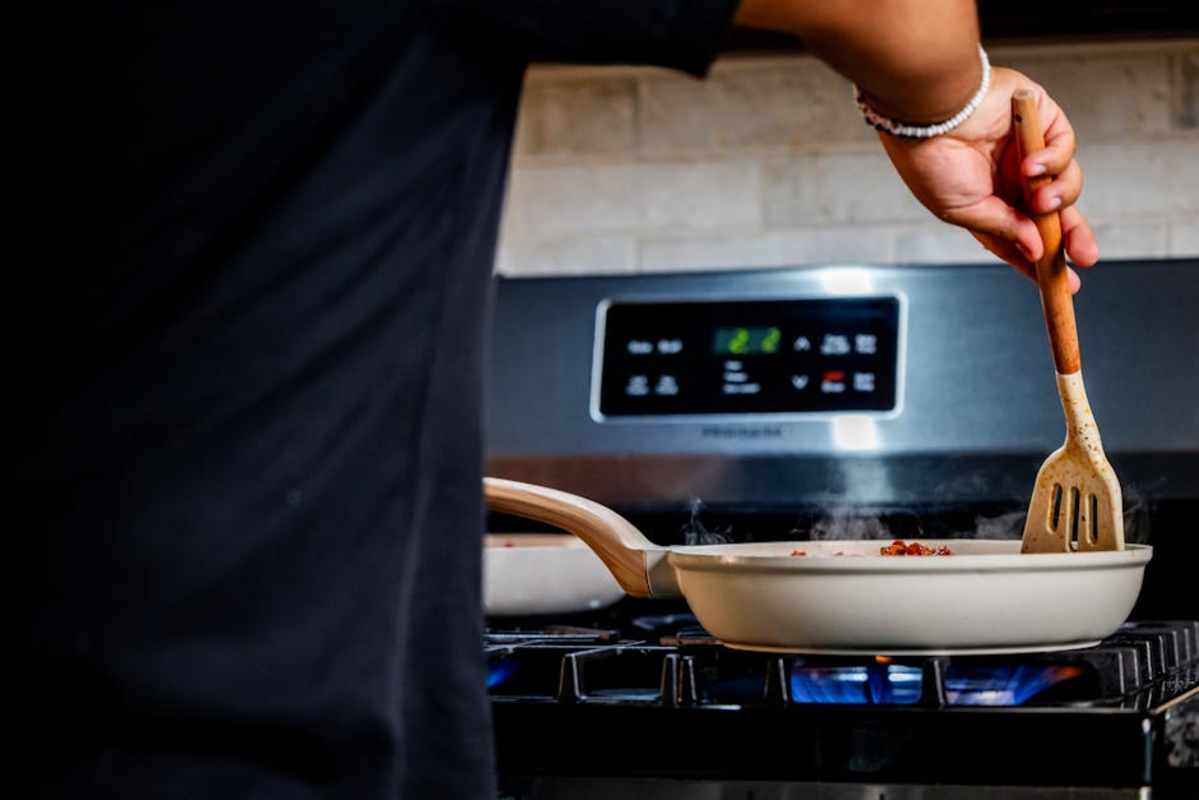
Decoding the Rise of Viral Food Trends: A Simplified Approach to Cooking
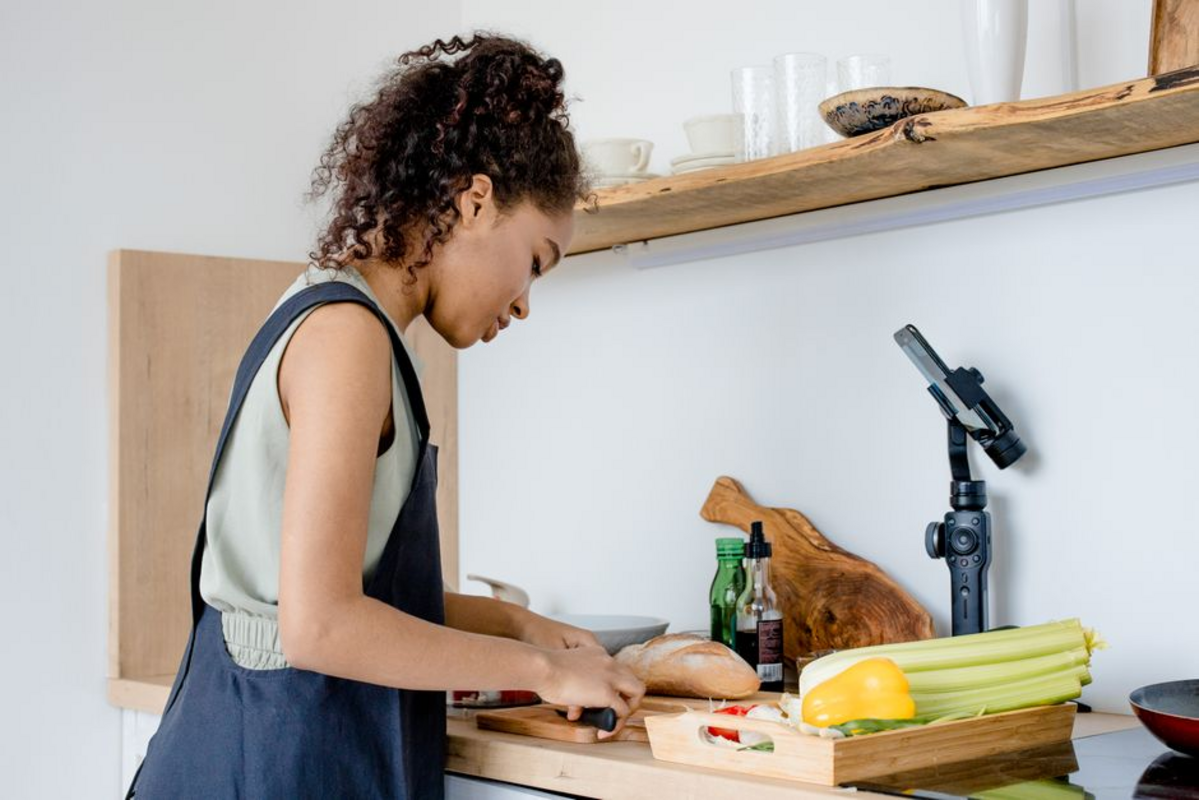
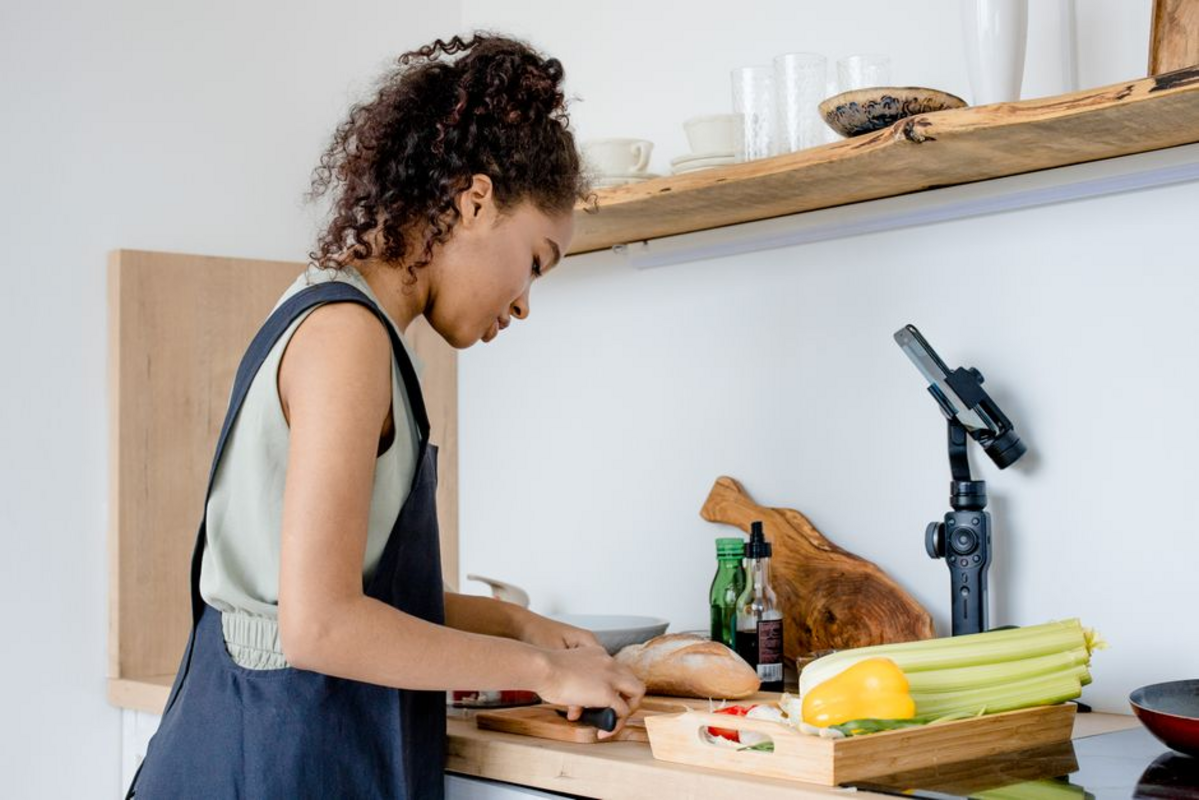
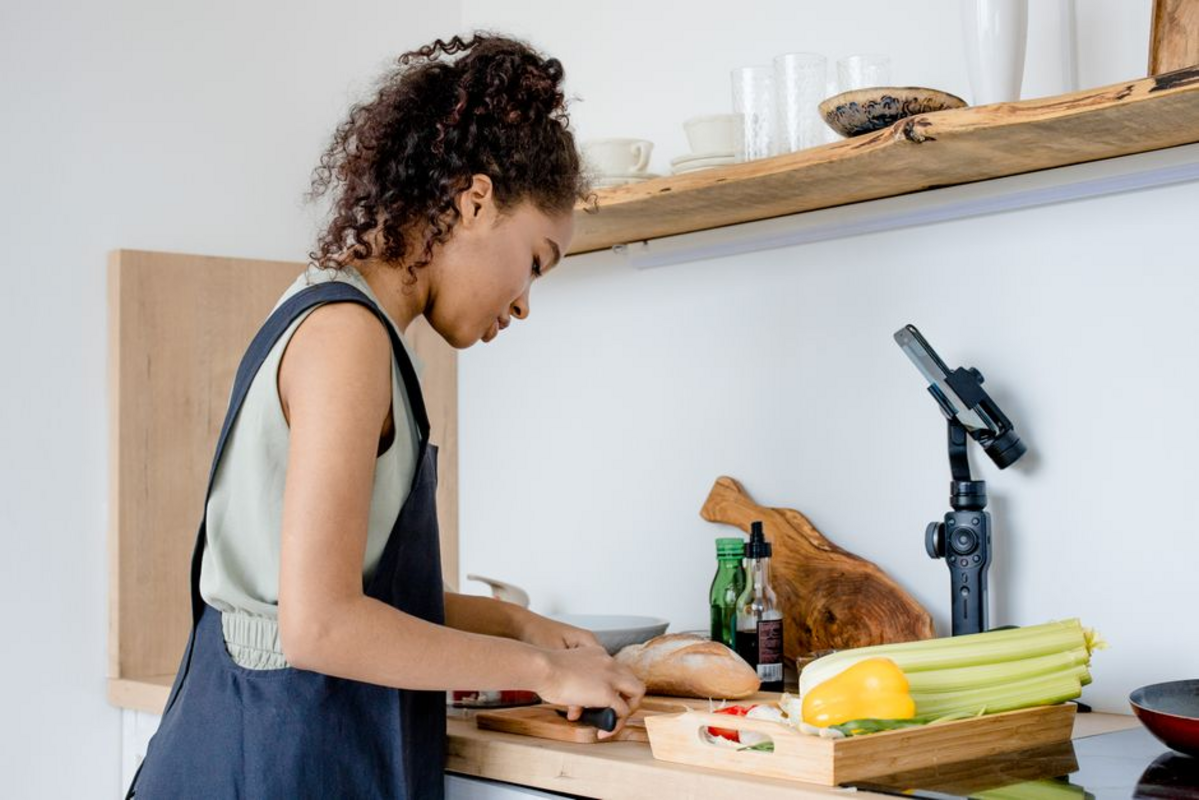
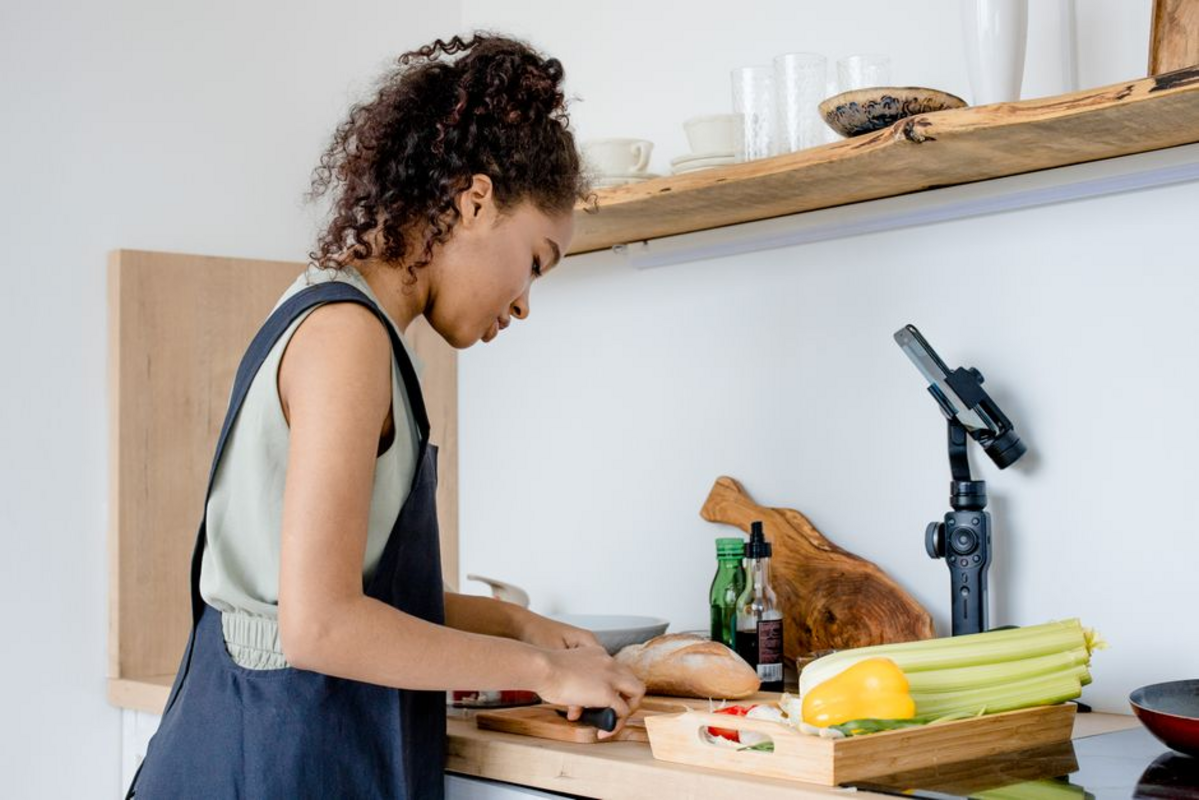
The world of cooking has witnessed a significant shift with the emergence of viral food trends that simplify cooking. Recent articles on Yahoo Creators, including “10 Things Intermittent Fasting Can Do For Your Health” and “Viral food trends that simplify your cooking,” have sparked a conversation about the benefits of streamlined cooking methods. As a result, home cooks and professional chefs alike are reevaluating their approach to cooking, seeking inspiration from social media and online recipe platforms.
Unpacking the Viral Food Trend Phenomenon
At the heart of this trend is the desire for simplicity and convenience. With increasingly busy lives, people are looking for ways to cook healthy, delicious meals without sacrificing too much time or effort. Viral food trends, such as one-pot wonders and meal prep ideas, have become incredibly popular, with many recipes being shared and adapted across social media platforms. Professional recipe developers, like those featured on Yahoo Creators, play a crucial role in identifying red flags in viral recipes that may not work, ensuring that home cooks can trust the recipes they try.
Intermittent fasting, in particular, has gained significant attention in recent months, with articles highlighting its potential health benefits, including improved weight management and increased energy levels. By incorporating intermittent fasting into their lifestyle, individuals can simplify their cooking routine, focusing on nutrient-dense meals during their eating windows.
The Double-Edged Sword of Viral Food Trends
On one hand, viral food trends have made cooking more accessible and fun, encouraging people to experiment with new ingredients and techniques. The rise of social media has created a community of home cooks who share and discover recipes, cooking tips, and food hacks. This collective sharing of knowledge has simplified cooking for many, making it easier to prepare healthy meals at home.
On the other hand, the rapid spread of viral recipes can lead to a lack of accountability, with some recipes being shared without proper testing or validation. This can result in disappointing cooking experiences, wasted ingredients, and a general distrust of online recipes. Moreover, the emphasis on simplicity and convenience can sometimes compromise the nutritional value of meals, leading to an overreliance on processed or high-sugar ingredients.
Navigating the World of Viral Food Trends: Tips and Tricks
To make the most of viral food trends, it’s essential to approach them with a critical eye. Here are some tips to keep in mind:
- Verify the source of the recipe and check for reviews or ratings from other cooks.
- Be cautious of recipes that rely heavily on processed or high-sugar ingredients.
- Don’t be afraid to experiment and adapt recipes to suit your dietary needs and preferences.
- Take advantage of online cooking communities and social media platforms to discover new recipes and connect with fellow home cooks.
By being mindful of these factors, you can harness the power of viral food trends to simplify your cooking routine, explore new flavors, and develop a healthier relationship with food.
Looking Ahead: The Future of Viral Food Trends
As the world of cooking continues to evolve, it’s likely that viral food trends will play an increasingly important role in shaping our culinary habits. With the rise of social media and online recipe platforms, the dissemination of cooking ideas and techniques will only accelerate, making it easier for home cooks to discover and adapt new recipes. By staying informed, being critical, and embracing the benefits of viral food trends, we can simplify cooking, promote healthy eating, and foster a more vibrant and connected food community.
Frequently Asked Questions
Here are some common questions about viral food trends:
- Q: What are the benefits of intermittent fasting for cooking? A: Intermittent fasting can simplify cooking by reducing the number of meals you need to prepare, allowing you to focus on nutrient-dense ingredients and streamlined cooking methods.
- Q: How can I identify red flags in viral recipes? A: Look for recipes with unrealistic ingredient lists, unclear instructions, or a lack of reviews or ratings from other cooks.
- Q: Can viral food trends be adapted for special diets, such as vegan or gluten-free? A: Yes, many viral food trends can be adapted to suit special diets, and online recipe platforms often provide filters or tags to help you find recipes that meet your dietary needs.