The State of Video Games Journalism: A Reflection of Frustration and Optimism
The world of video games journalism has been a topic of discussion lately, with many gamers and journalists sharing their personal reflections on the current state of the industry. As I delved into the recent articles and conversations, I noticed a recurring theme – the frustration and optimism surrounding video games journalism. According to a recent article from Aftermath, the current state of video games journalism is “extremely frustrating,” leaving many to wonder what the future holds for this industry.
What’s Behind the Frustration with Video Games Journalism?
As I explored the recent conversations, I found that the frustration stems from the evolution of video games journalism. With the rise of online media and social platforms, the way we consume and interact with video games journalism has changed significantly. Many gamers and journalists feel that the industry has lost its way, prioritizing clickbait headlines and sensationalized stories over in-depth, quality content. This shift has led to a sense of disillusionment among fans, who are eager for meaningful and informative journalism that truly captures the essence of the gaming world. On the other hand, some argue that the industry is still finding its footing, and that the growth of video games journalism is a natural process that requires experimentation and adaptation.
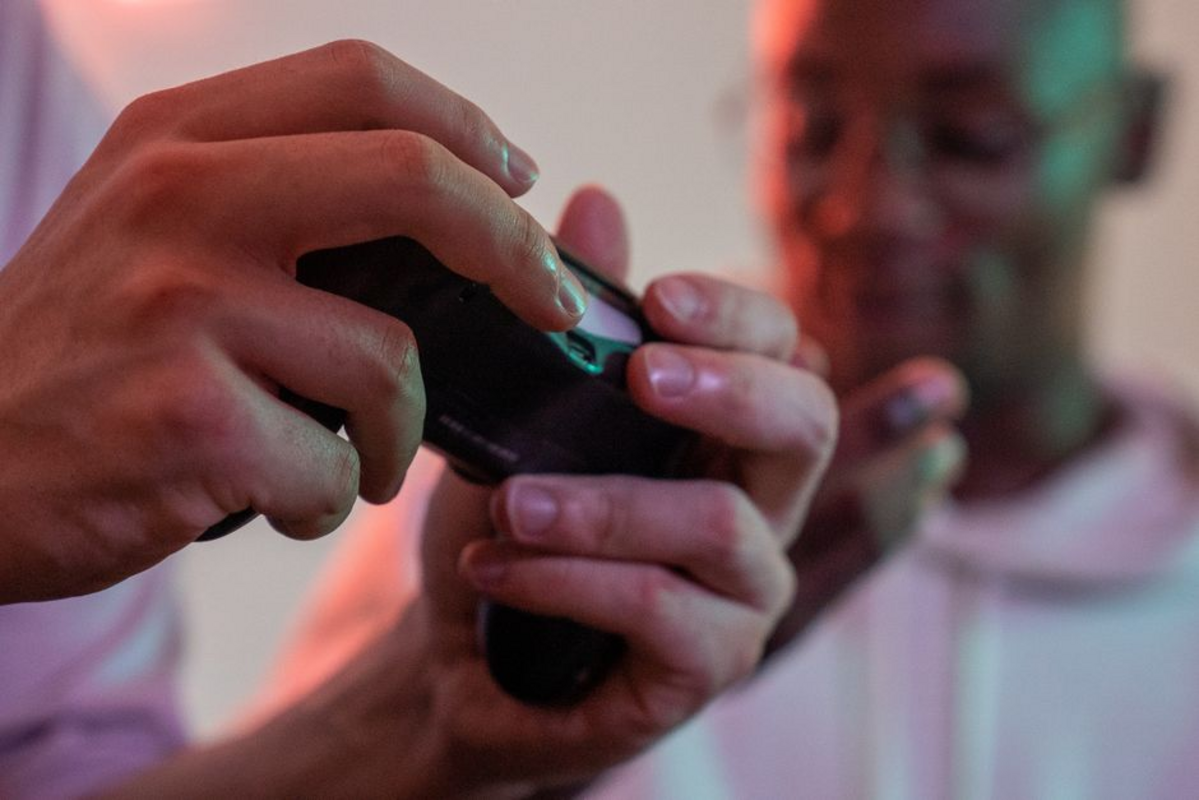
A great example of this can be seen in the way Gaming with Guardians has brought people together, fostering a sense of community and camaraderie among gamers and non-gamers alike. This initiative shows that, despite the frustrations, there are still many positive aspects of video games journalism that deserve recognition and support.
The Optimism of Gamers and Journalists
Despite the frustration, there is a sense of optimism among gamers and journalists. Many believe that the industry is on the cusp of a new era, one that will bring about a resurgence of quality video games journalism. With the rise of independent media outlets and podcasts, there is a growing opportunity for niche voices and perspectives to emerge, offering a fresh take on the gaming world. As one article from Aftermath suggests, there is a quiet optimism about the future of video games journalism, and that the industry will eventually find its way back to its roots.
How Nostalgia Shapes Our Views on Video Games Journalism
Nostalgia plays a significant role in shaping our views on video games journalism. For many gamers, the memories of playing classic games and reading old gaming magazines are fond ones, evoking a sense of nostalgia and longing for a bygone era. This nostalgia can often cloud our judgment, leading us to romanticize the past and criticize the present. However, it’s essential to recognize that the industry has evolved, and that video games journalism must adapt to these changes. By embracing this evolution, we can create a new era of video games journalism that builds upon the foundations of the past, while incorporating the innovations and advancements of the present.
The Impact of Changing Journalism on Gamers
The changing landscape of video games journalism has a significant impact on gamers. With the rise of online media and social platforms, gamers are now more connected than ever, sharing their experiences and opinions with a global community. However, this increased connectivity also brings about new challenges, such as the spread of misinformation and the amplification of negative voices. To navigate this complex environment, gamers must be discerning and critical, seeking out quality sources of information and engaging in constructive discussions that promote a deeper understanding of the gaming world.
Can Video Games Journalism Be Saved?
As I reflect on the current state of video games journalism, I believe that the industry can be saved, but it requires a collective effort from gamers, journalists, and industry professionals. By prioritizing quality content, supporting independent media outlets, and fostering a sense of community and dialogue, we can create a new era of video games journalism that is informative, engaging, and meaningful. It’s a challenging task, but one that is essential for the growth and development of the gaming industry as a whole.
Frequently Asked Questions
What is the current state of video games journalism?
The current state of video games journalism is one of frustration and optimism, with many gamers and journalists feeling that the industry has lost its way, while others believe that it is on the cusp of a new era.
How has the rise of online media and social platforms affected video games journalism?
The rise of online media and social platforms has significantly changed the way we consume and interact with video games journalism, with many feeling that the industry has prioritized clickbait headlines and sensationalized stories over quality content.
What can be done to improve the state of video games journalism?
To improve the state of video games journalism, it’s essential to prioritize quality content, support independent media outlets, and foster a sense of community and dialogue among gamers and journalists.
Is there a future for video games journalism?
Yes, there is a future for video games journalism, and it’s one that is filled with opportunity and potential. By embracing the evolution of the industry and adapting to the changing landscape, we can create a new era of video games journalism that is informative, engaging, and meaningful.