Markets Bleed Uncertainty: How One Voice Shifted Billions
Markets don’t just hate uncertainty—they hemorrhage for it. Wednesday’s session proved this brutal truth once again, with the Dow Jones Industrial Average reversing hard-won gains in the final trading hours after former President Donald Trump inserted himself into the Iran conflict narrative. What began as a fragile recovery built on Strait of Hormuz de-escalation hopes ended in a sea of red ink, reminding every trader that breaking news travels faster than rational analysis.
Verbal Volatility: How Trump’s Comments Rewrote the Closing Bell
Former presidents don’t typically move markets with casual observations. But Donald Trump isn’t a typical former president, and Wednesday proved his commentary remains a potent market force.
Earlier in the session, the prevailing narrative suggested optimism. Traders had watched the Dow, S&P 500, and Nasdaq pare their morning losses as whispers circulated about potential de-escalation in the Strait of Hormuz crisis. Algorithmic buying programs kicked in, sensing that the worst-case scenario—prolonged closure of the world’s most critical oil chokepoint—might be avoided. For three hours, the session looked salvageable.
Then Trump spoke.
His specific remarks regarding the Iran war—suggesting the conflict wouldn’t end quickly—acted like a cold shower on simmering optimism. Within minutes, futures turned. By the closing bell, the Dow had surrendered its gains, finishing lower despite the afternoon’s tentative recovery. This wasn’t about politics; it was about predictive models. Markets had priced in a specific timeline for regional stability. When that timeline got extended via trending updates from a figure with Trump’s historical market influence, traders did what they always do when breaking news invalidates their positions—they sold. Fast.
The speed of the reversal reveals modern market fragility. In an age where milliseconds determine profitability, a single appearance can trigger cascades of automated selling. Wednesday’s stock market performance illustrates this perfectly: fundamental improvements in the morning session couldn’t withstand geopolitical uncertainty in the afternoon. When the former President suggested the Iran situation would persist, he wasn’t just offering commentary—he was updating the risk premium on every energy-dependent equity in the S&P 500.
The Strait of Hormuz Tightrope: Geography as Market Maker
Twenty-one miles. That’s the narrowest point of the Strait of Hormuz, yet this stretch of water controls roughly one-fifth of global petroleum consumption. When tensions flare in this region, they don’t just create headlines—they manufacture immediate, tangible volatility across every major index.
Wednesday morning’s brief rally wasn’t built on American corporate earnings or economic data. It rested entirely on speculation that military tensions surrounding this critical chokepoint might de-escalate. The logic is simple but brutal: any closure of Hormuz immediately restricts oil supply, spiking energy costs and crushing margins for transport-dependent sectors. Conversely, open waters suggest normalized shipping patterns and stable crude prices.
Traders gambled on the latter scenario during the morning session. The Nasdaq Composite, heavy with tech giants reliant on global supply chains, momentarily breathed easier. The S&P 500’s energy sector stabilized. Even the beleaguered Dow found traction. But geography doesn’t negotiate, and neither do military conflicts on timelines convenient to portfolio managers. The Strait remains a gunpoint away from disruption, a reality that makes any rally built on Hormuz stability as thin as the water itself is deep.
Analysts watching the stock market today focused less on moving averages and more on satellite imagery of Persian Gulf shipping lanes. That’s the new normal when breaking news involves Middle Eastern geopolitics. The volatility created isn’t noise—it’s a fundamental repricing of global trade risk. Every container ship passing through those twenty-one miles carries not just cargo, but the weight of investor confidence. When Trump’s updates suggested the conflict had legs, the market remembered that geography trumps technical analysis every time.
Oil’s False Summit: Why the Surge Won’t Create Lasting Value
Crude prices have spiked dramatically in recent sessions, with geopolitical tensions driving Brent and West Texas Intermediate to levels that would normally signal energy sector bonanzas. But veteran oil traders are already warning: this particular surge has an expiration date.
According to analysis from Barron’s and other financial outlets, the current oil price elevation represents a fear premium rather than supply constraints. Yes, the Strait of Hormuz situation threatens transportation routes. Yes, Iranian conflict creates uncertainty. But the physical oil hasn’t stopped flowing—not yet. What markets are pricing is possibility, not reality. This distinction matters for equity investors chasing “bargains” in the wake of volatility.
When energy stocks surge on war premiums, they create mirages of value. The moment geopolitical tensions ease—and they eventually do, even if Trump is correct about the timeline extending—those premiums evaporate. Companies that looked cheap at $90 per barrel oil look expensive at $70. The stock market’s temporary bargains are exactly that: temporary. Analysts suggest that investors viewing this dip as a buying opportunity should check their time horizons. If you’re holding for months, energy volatility might reward you. If you’re seeking quick gains from breaking news reversals, you’re gambling on factors no one controls.
History proves this pattern. Gulf War premiums, Libyan conflict spikes, even the initial Ukraine invasion energy shock—all eventually normalized. The traders who profited weren’t the ones who bought the spike; they were the ones who sold volatility or waited for the inevitable regression to mean. Current trending developments suggest we’re watching the same movie again, just with different actors and updated special effects. The oil surge won’t last because fear never does.
The Morning Mirage: How Major Indices Fooled the Optimists
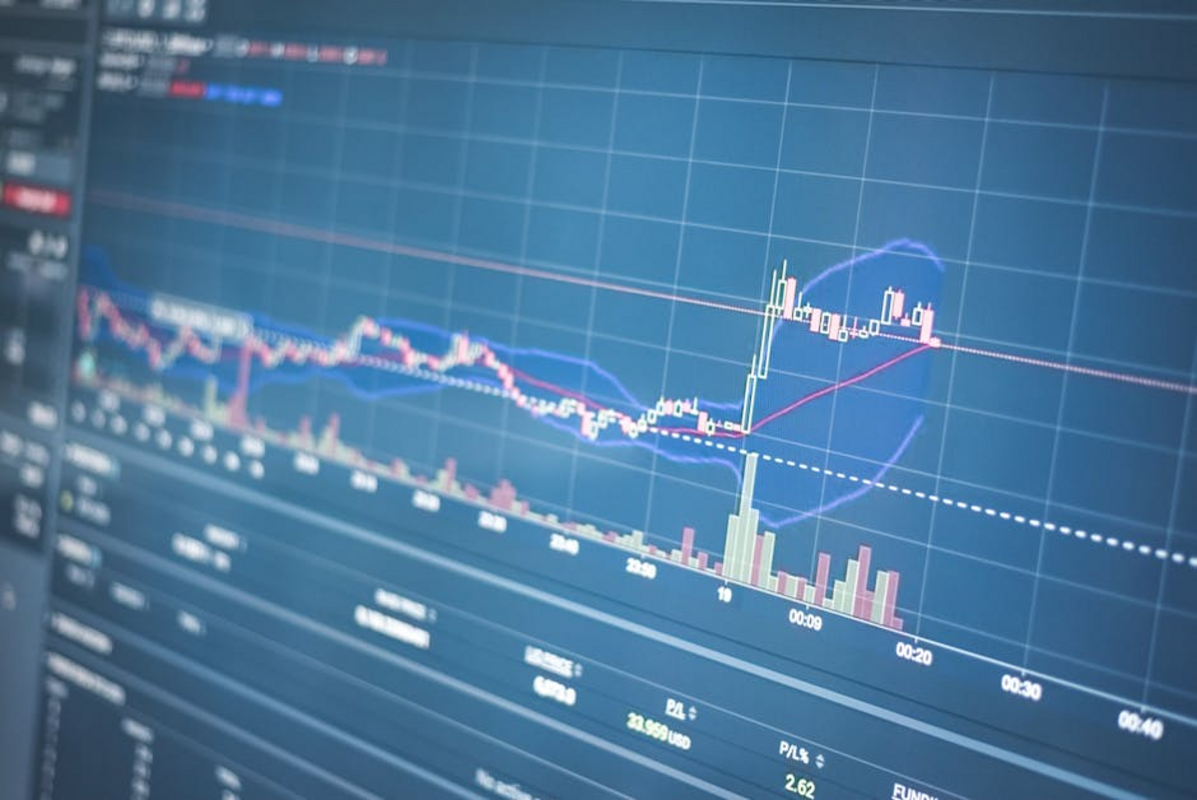
There was a moment, roughly midway through Wednesday’s session, when the charts lied beautifully. The Dow Jones, the S&P 500, and the Nasdaq had all pared their opening losses. Green shoots appeared across sectoral heatmaps. For a brief, glorious window, it looked like rationality had returned.
Traders call this “hope trading.” It occurs when market participants, desperate for narrative relief, seize on any positive development to justify risk-on positioning. Wednesday’s hope came in the form of de-escalation rumors regarding the Strait of Hormuz. Algorithms detected the sentiment shift and amplified it, creating a self-reinforcing cycle of buying that pushed the Dow sharply off its lows.
But hope without fundamental backing is just borrowed optimism on interest-bearing time. When the underlying geopolitical reality didn’t shift—when Trump’s comments confirmed that the Iran war extended beyond the timeline traders had priced—the reversal came with mathematical precision. The S&P 500 gave back its gains. The Nasdaq’s tech giants, particularly sensitive to energy costs affecting cloud infrastructure, retreated. The Dow’s industrial components, reliant on global shipping, followed suit.
This pattern reveals a dangerous tendency in modern markets: the speed of recovery attempts often outpaces the speed of actual resolution. When breaking news updates hit the wires every four minutes, traders build positions on sand, assuming the first headline equals the final outcome. The specific mechanics of Wednesday’s failed recovery deserve attention. Morning volume suggested institutional accumulation—big money betting that the worst had passed. When Trump spoke, that institutional support evaporated, replaced by retail panic and algorithmic stop-losses. The divergence between where smart money bought in the morning and where everyone sold in the afternoon created the “bargain” illusion. Those levels won’t hold because they were built on anticipation of peace, not the reality of continued conflict.
The Phantom Dip: Distinguishing Value from Volatility Traps
Every market selloff creates apparent discounts. Airlines trading at multiples unseen since 2020. Shipping conglomerates showing dividend yields that seem mathematically impossible. Energy explorers with P/E ratios that would make value investors weep with joy. Wednesday’s volatility manufactured these mirages by the dozen.
But analysts watching these trending developments warn against the “bargain” narrative. When oil surges on conflict fears and equities drop on the same fears, you’re not looking at discounted fundamentals—you’re witnessing risk repricing in real-time. The airline that looks cheap at noon assumes jet fuel costs won’t bankrupt them by Christmas. The shipping line assumes the Strait remains open. These aren’t value plays; they’re leveraged bets on geopolitical outcomes.
Real bargains emerge when markets misprice earnings potential over business cycles. Fake bargains emerge when markets misprice survival probability over news cycles. Wednesday’s stock market offered the latter in spades. The Dow’s temporary dip below key support levels looked tempting. The Nasdaq’s brief retreat into “oversold” territory screamed buy signal. Yet experienced hands stayed cash-heavy, recognizing that volatility created by breaking news doesn’t create value—it obscures it.
The danger lies in conflating price action with value creation. A stock down five percent on Wednesday due to Hormuz fears hasn’t become five percent more valuable in any real sense. It’s simply five percent riskier. That risk might pay off. But calling it a bargain suggests a misunderstanding of why the price dropped. Until the geopolitical uncertainty resolves—a process taking days, weeks, or months—the discount remains illusory. If you’re hunting for entry points, wait for the updates to exhaust themselves. The Iran conflict will eventually de-escalate, or it won’t. Either way, once the situation stabilizes—whatever that looks like—then you can assess whether those “cheap” stocks represent actual opportunities or simply tomorrow’s bag-holding exercises.
Bottom Line: The New Reality of Geopolitical Trading
Looking forward, Wednesday’s session establishes the template for markets navigating the Iran conflict. Expect violent swings based on comments from Washington, Tehran, and Mar-a-Lago. Expect the Dow to remain hostage to Strait of Hormuz updates. Expect oil to gyrate between fear premiums and demand reality.
The playbook for investors isn’t complicated, but it requires discipline. Stop chasing headlines. The stock market’s current volatility favors those with cash reserves and patience, not those with quick trigger fingers and breaking news notifications. When former presidents speak, let the algorithms panic—don’t join them.
The temporary bargains will become real bargains eventually. But that requires the uncertainty to resolve, not just shift. Until then, preserving capital trumps deploying it. The trending updates will continue, the volatility will persist, and the only certainty is that anyone claiming to know how this ends is selling something.
Trade accordingly.