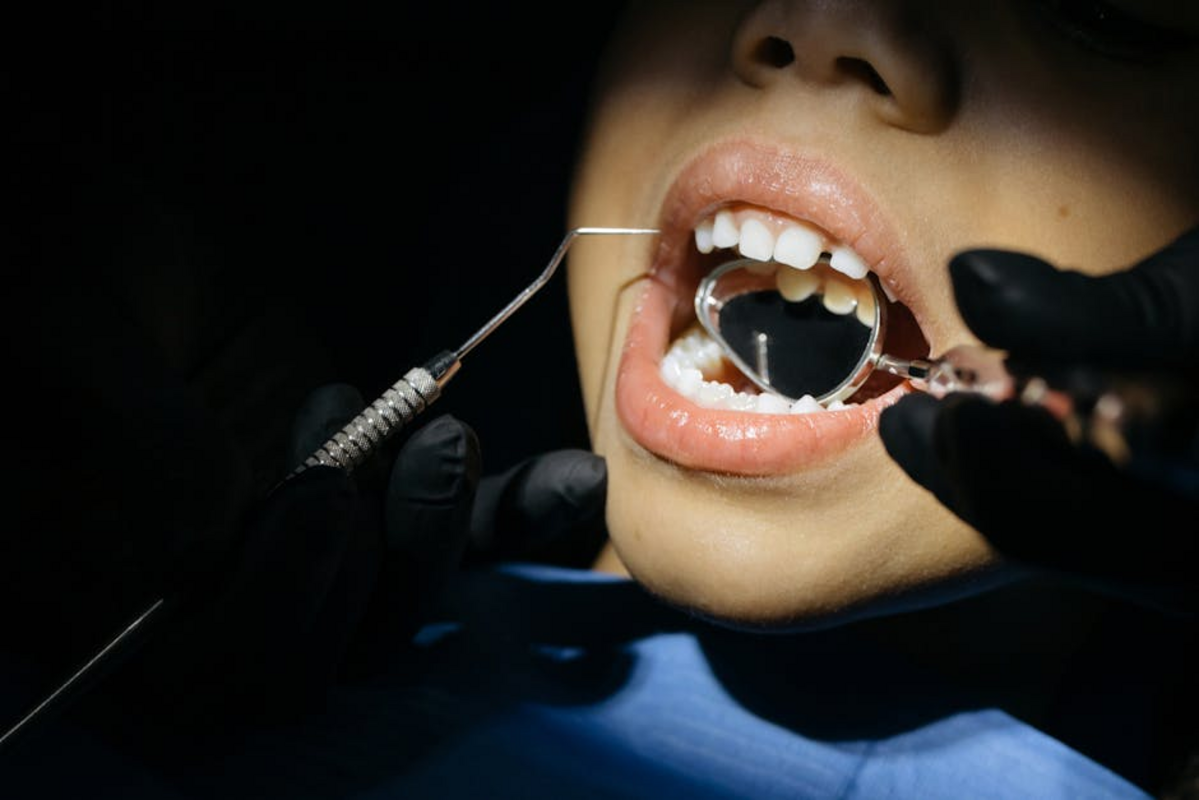
The Alarming Consequences of Pediatric Medicaid Disenrollment
Pediatric Medicaid disenrollment is a pressing issue that should concern all of us, as a recent JAMA study reveals that it would worsen oral health and raise health care costs. The focus on pediatric medicaid is crucial, as it directly affects the well-being of children and their families. So, why should you care? The reason is simple: the consequences of disenrollment would be felt by families, health care professionals, and the broader health care system as a whole.
The Immediate Effects of Medicaid Disenrollment
Let’s break down the topic into digestible pieces. The immediate effects of Medicaid disenrollment on pediatric oral health would be significant. Without access to regular dental check-ups and treatments, children would be more likely to develop oral health problems, such as tooth decay and gum disease. This, in turn, could lead to more severe health issues, like infections and even heart disease. The American Dental Association has publicized the findings, highlighting the need for continued access to Medicaid for pediatric patients.
Economic Implications for Families
Here’s the thing: the economic implications of pediatric Medicaid disenrollment would be substantial. Families who rely on Medicaid for their children’s health care would face significant financial burdens. The increased cost of health care would force them to make difficult choices between paying for essential medical treatments or other basic needs, like food and housing. This could lead to a decline in overall health and well-being, not just for the children but for the entire family. As we discussed in our previous post on wellness breaks, access to health care is crucial for maintaining a healthy work-life balance.
The Role of Dental Associations in Advocacy
The role of organizations like the American Dental Association in advocating for accessible health care cannot be overstated. These organizations work tirelessly to raise awareness about the importance of oral health and the need for continued access to Medicaid for pediatric patients. By publicizing the findings of the JAMA study, they are bringing attention to the potential consequences of pediatric Medicaid disenrollment and pushing for policy changes that prioritize the health and well-being of children.
Key Takeaways
- Pediatric Medicaid disenrollment would worsen oral health and raise health care costs.
- The economic implications for families would be substantial, forcing them to make difficult choices between paying for essential medical treatments or other basic needs.
- The role of dental associations in advocacy is crucial in raising awareness about the importance of oral health and pushing for policy changes that prioritize the health and well-being of children.
Frequently Asked Questions
What is the main finding of the JAMA study?
The main finding of the JAMA study is that pediatric Medicaid disenrollment would worsen oral health and raise health care costs.
How would pediatric Medicaid disenrollment affect families?
Pediatric Medicaid disenrollment would force families to make difficult choices between paying for essential medical treatments or other basic needs, leading to a decline in overall health and well-being.
What can be done to address the issue of pediatric Medicaid disenrollment?
To address the issue of pediatric Medicaid disenrollment, it is essential to continue advocating for accessible health care and pushing for policy changes that prioritize the health and well-being of children. Organizations like the American Dental Association play a crucial role in raising awareness and driving change.