When Your $49 Ticket Becomes a Ghost Story
You know that feeling when you score an unbelievable deal? The rush of clicking “confirm” on a $49 flight to Miami, already imagining the beach, silently congratulating yourself for outsmarting the system? Now imagine checking your email the next morning and discovering the airline itself might not exist by the time your trip rolls around.
That’s not a anxiety dream. That’s the reality hitting travelers this week.
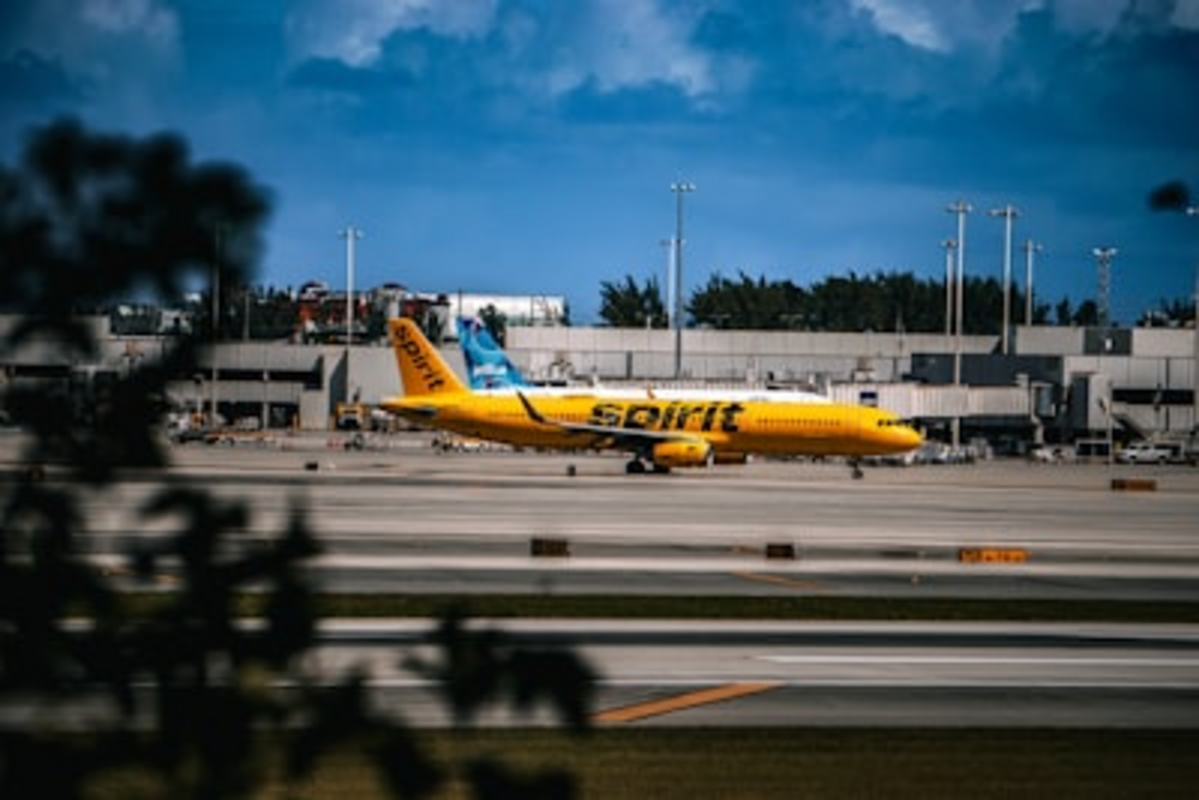
Spirit Airlines—the bright-yellow thorn in the side of legacy carriers, the budget airline we love to complain about but secretly rely on—could literally vanish. As in, liquidation. Cease operations. Poof. According to CNBC sources, it could happen as early as this week, turning that cheap ticket you bought into nothing more than a digital souvenir of what once was.
The House of Cards Was Already Wobbly
To understand why we’re here, you have to remember where Spirit’s been. This isn’t a sudden collapse from out of nowhere—it’s more like watching someone try to balance on a rolling log while juggling chainsaws. For months now, Spirit has been navigating Chapter 11 bankruptcy, desperately trying to restructure its way back to profitability after a failed merger with JetBlue and an earlier, equally doomed attempt to combine with Frontier Airlines.
Here’s the thing about ultra-low-cost carriers: they operate on margins so thin you could use them as dental floss. Their entire business model depends on filling every single seat, charging for everything from water to carry-ons, and—crucially—keeping fuel costs predictable. When fuel prices stay stable, they print money. When fuel spikes, they hemorrhage cash faster than you can say “auxiliary fees.”
Spirit had a plan. A bankruptcy exit strategy. A path back to the skies as a leaner, meaner operation. But then the Middle East caught fire.
The Week Everything Changed
Let’s talk about the timeline, because this is where the story gets wild. We’re not just dealing with one airline in trouble; we’re watching a global pressure cooker explode.
It started with the breaking news hitting financial wires. CNBC reported that Spirit Airlines could liquidate as early as this week, citing sources familiar with the matter. Just hours later, Reuters confirmed the threat, reporting that surging fuel costs weren’t just hurting—they were threatening to torpedo Spirit’s entire bankruptcy exit plan and raising liquidation risk to levels that make “imminent” the appropriate word.
But here’s where your head should start spinning: while Spirit was fighting for its life in bankruptcy court, the entire airline industry was getting sucker-punched by the same force.
USA Today reported that airlines are cutting flights as the Iran war sends jet fuel costs soaring. Not just Spirit. Not just American budget carriers. Global airlines. Meanwhile, Politico.eu reported that European carriers are canceling flights and grounding planes as the jet fuel shock hits the continent particularly hard.
See the pattern? This isn’t a Spirit problem. It’s an industry earthquake.
Why This Isn’t Just About Spirit
Let’s get real for a second. We’ve all made jokes about Spirit. The cramped seats. The nickel-and-diming. The “optional” fees that aren’t really optional. But here’s what people are missing in all the schadenfreude: Spirit’s potential death spiral is a canary in the coal mine for the entire ultra-low-cost model.
When jet fuel prices spike due to geopolitical crises—and yes, the Iran war is absolutely driving this current surge—legacy carriers like Delta and United have something Spirit doesn’t: cushion. They can absorb higher fuel costs because they have premium cabins, corporate contracts, and loyalty programs generating steady revenue. They can weather the storm.
But Spirit? Frontier? The other ultra-discounters? They fly by the philosophy that someone will always book the cheapest ticket available, regardless of comfort. That model works beautifully in peacetime. It’s catastrophic during fuel shocks.
The updates coming out of Europe are particularly telling. When Lufthansa, British Airways, and Ryanair start grounding planes and canceling routes, you know this isn’t a management problem at one quirky American budget airline. It’s structural. It’s global. It’s the kind of disruption that reshapes how we think about travel accessibility.
And here’s the part that should make you pause: if Spirit liquidates, it doesn’t just affect Spirit flyers. It removes thousands of seats from the market daily. Competition evaporates. Prices on remaining carriers jump. That route you used to fly for $78 suddenly costs $240 because there’s no Spirit keeping Delta honest.
The New Math of Cheap Flights
So what does this mean for you, specifically?
First, if you’ve got a Spirit ticket for travel in the next few months, start making backup plans now. Not because they will definitely liquidate—these things can drag on—but because “as early as this week” doesn’t leave much runway. Check if your credit card offers trip cancellation protection. Look at refundable backup options on other carriers. Don’t get caught holding a worthless voucher.
Second, understand that the era of absurdly cheap domestic flights is probably over, at least for this travel season. We’re seeing the convergence of two trending crises: structural weakness in budget carriers and geopolitical-driven fuel inflation. That’s a recipe for sustained high prices.
The Iran conflict isn’t resolving tomorrow. Jet fuel costs historically take months to filter down to ticket prices, but they’re already forcing operational cuts. Airlines don’t cancel flights they can profitably fly. When USA Today reports widespread flight reductions, that means the math stopped working. The break-even point for a full plane just went up, and suddenly half-empty Tuesday afternoon flights to Cleveland don’t make fiscal sense anymore.
Your Summer Plans Just Got Complicated
Look, I’m not here to panic you. But I am here to tell you that the travel landscape of July 2025 is going to look radically different from what we expected in January.
If Spirit goes under—and right now, that’s a genuine possibility, not speculation—we’re losing the nation’s largest ultra-low-cost carrier. That’s millions of annual seats disappearing from the market. Combined with the global fuel crisis forcing airlines to ground planes and cut frequencies, you’re looking at a textbook supply squeeze.
Basic economics tells us what happens next. Fewer seats plus steady demand equals higher prices. The $29 fare wars are effectively over. The question isn’t whether tickets will get more expensive—it’s how much more expensive, and whether smaller markets lose service entirely when airlines prune their least profitable routes.
Europe’s situation, reported by Politico.eu, offers a preview. When jet fuel shocks hit European carriers, they don’t just raise prices; they drop destinations. That secondary city you wanted to visit? Might not have a direct flight anymore. Might not have a flight at all.
So here’s my honest take: we’re witnessing the end of a chapter. The post-pandemic travel boom met its match in geopolitical reality and unsustainable business models. Spirit might survive—stranger things have happened in bankruptcy court—but the ultra-low-cost carrier model that defined the last decade of American aviation is facing an existential reckoning.
Book your summer flights early. Expect to pay more. And maybe, just maybe, appreciate those uncomfortable Spirit seats while you can still buy them—because soon, the only alternative might be not flying at all.