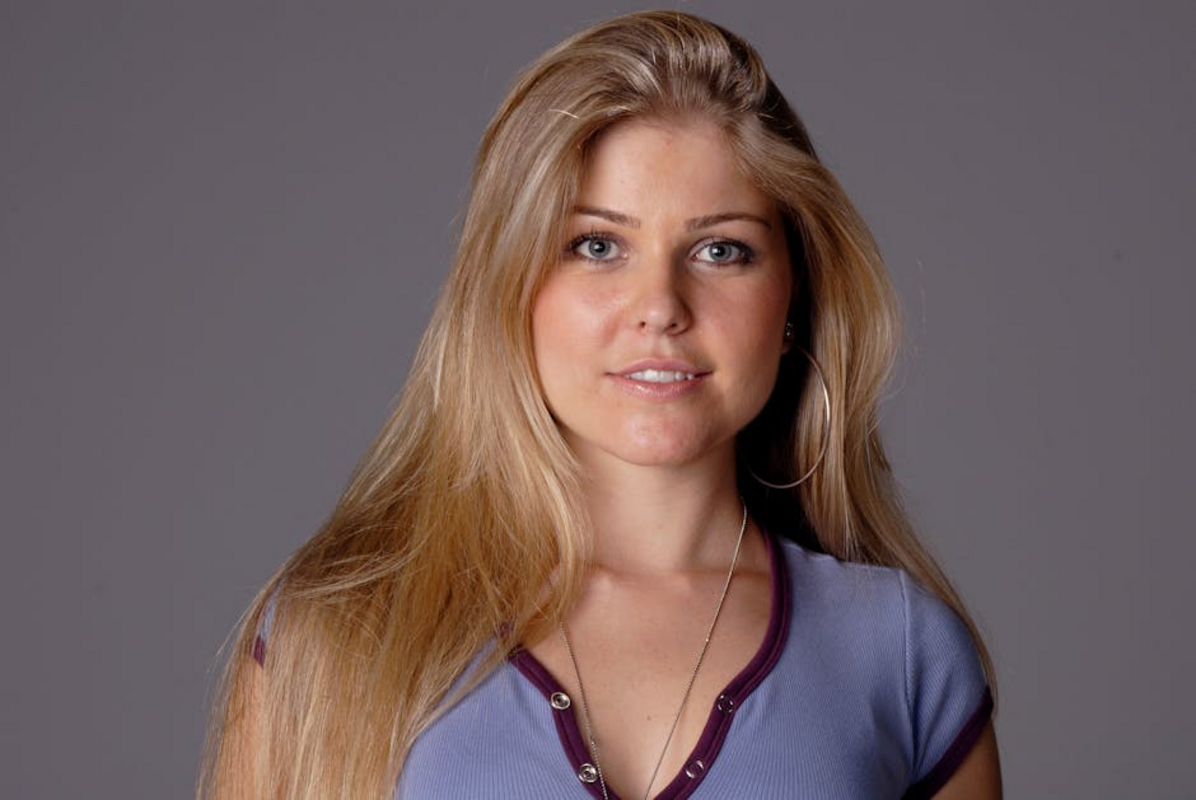
Some names drift quietly through royal history until a courtroom snaps them back into the spotlight. Anne Beckwith-Smith—Princess Diana’s trusted former lady-in-waiting—just discovered that palace connections don’t grant immunity from traffic court.
Here’s everything you need to know about the anne beckwith-smith driving ban that’s currently trending across major outlets, and why this particular legal consequence has everyone talking.
Who Is Anne Beckwith-Smith, And Why Does This Matter?
First things first: let’s talk about what a lady-in-waiting actually does, because it’s not just holding train hems and wearing tasteful hats.
Anne Beckwith-Smith served as Princess Diana’s lady-in-waiting—a role that essentially combines personal assistant, social secretary, and confidante into one discreet package. We’re talking about someone who handled Diana’s correspondence, managed her day-to-day schedule, and provided the kind of behind-the-scenes support that keeps royal machinery humming smoothly. These women (and they’re traditionally women) become extensions of the royal family themselves, privy to private moments and trusted with secrets that never make it to the tabloids.
So when you hear that a former member of Diana’s inner circle has found herself in legal trouble, it’s not just another celebrity-adjacent story. It’s a reminder that the people who orbit royalty—who witness history’s private moments—are still flesh and blood. They still speed when they’re running late. They still face consequences that don’t care about their address book.
Beckwith-Smith hasn’t exactly been a fixture of gossip columns since Diana’s death. She’s maintained the kind of dignified silence you’d expect from someone who learned discretion at the knee of the People’s Princess. Which makes her sudden appearance in court records all the more startling. One day you’re invisible in the background of history; the next, you’re the headline.
Six Months and Counting: The Driving Ban Breakdown
Here’s the hard truth: the court wasn’t messing around.
Anne Beckwith-Smith walked away with a six-month driving ban after being caught speeding. That’s half a year of figuring out alternative transportation, of grocery deliveries and taxi apps and begging rides from friends. In the United Kingdom, driving bans aren’t handed out lightly—they’re the nuclear option for persistent offenders or serious violations.
We don’t have the specific miles-per-hour breakdown (and honestly, does it matter?), but we know it was enough to trigger the totting-up process that leads to automatic disqualification. For American readers, imagine losing your license not because of a DUI or reckless driving, but because the points finally accumulated to that magic number where the state says “enough.”
The timing is crucial here. This isn’t ancient history or a decades-old mistake resurfacing. This is happening right now. Within the last four hours, major publications including People.com, AOL.com, and The Independent have published their reporting, making this genuine breaking news. The story is still developing, with updates likely to emerge as legal documentation becomes public.
What’s fascinating is the uniformity of the coverage. When heavyweight outlets simultaneously push the same narrative, you know the story has legs. Or in this case, wheels that legally can’t be used for six months.
The “Catastrophic” Plea That Fell on Deaf Ears
Now here’s where the story twists from standard traffic court drama into something that genuinely pulls at your heartstrings.
Beckwith-Smith didn’t just accept her punishment quietly. She pleaded with the court, arguing that losing her license would have what she termed “catastrophic” consequences—not for her social calendar, not for her ability to attend galas, but for her ability to care for her brother. The Independent ran with this language in their headline, emphasizing the human cost behind the legal violation.
Think about that for a second. We’re not talking about someone claiming they need to drive to maintain their lifestyle or keep a job in the city. This is about caregiving. About being there for family when they need you most. About the brutal reality that rural or suburban life without a car becomes a logistics nightmare when you’re responsible for someone else’s wellbeing.
Caregivers will tell you: reliable transportation isn’t a luxury, it’s the infrastructure of love. Medical appointments don’t wait for bus schedules. Emergencies don’t care about Uber surge pricing. When you’re the person responsible for a vulnerable relative, your car becomes an extension of your duty.
Beckwith-Smith laid this reality bare before the magistrate. She essentially said: punish me, yes, but understand that you’re not just punishing me. You’re compromising my ability to be a sister.
Why the Court Said No Despite the Heartbreak
So why did the bench look at this “catastrophic” scenario and impose the ban anyway?
Because traffic courts have heard it all.
Every day, magistrates listen to defendants explain why their circumstances are special, why their children need transport, why their elderly parents rely on them, why their business will collapse. If courts granted exceptions for every compelling story, the points system would become meaningless. The law would become a popularity contest where the most sympathetic voice wins.
There’s something almost brutally democratic about this decision. Whether you’re a former royal aide or a plumber from Peckham, twelve points means twelve points. The judge saw Beckwith-Smith’s history, saw the severity of the accumulation, and decided that public safety and the integrity of the legal system outweighed her personal circumstances.
It’s worth acknowledging the courage it took to make that argument publicly. She didn’t hide behind a solicitor or issue a sanitized statement. She stood there and said: my brother needs me. That takes a particular kind of vulnerability, especially for someone trained in the art of royal discretion. The court respected her enough to hear her out, even if they didn’t grant her the outcome she hoped for.
Why Everyone’s Reporting This Now: The Cluster Effect
If you’re wondering why this particular traffic violation is suddenly everywhere, you’re not alone. The answer lies in what media analysts call “the cluster effect.”
Within a four-hour window, People.com, AOL.com, and The Independent all dropped stories about Beckwith-Smith’s ban. That’s not coincidence; that’s coordination. When multiple major outlets simultaneously report on a court ruling, it creates a feedback loop of interest. One outlet publishes, another verifies, a third sees the traction, and suddenly it’s trending across platforms.
But why this story? Why now?
Part of it is the Diana connection, obviously. Any story that touches the Princess of Wales generates instant nostalgia and clicks. We’re approaching the years when a new generation is discovering Diana’s legacy, while those who lived through her death remain fascinated by anyone who knew her intimately.
Part of it is the “catastrophic” angle—the sheer emotional weight of that word in the headline. It promises drama. It suggests stakes higher than a speeding ticket. It makes you want to know what could possibly be so devastating about losing a license.
And part of it is the schadenfreude, let’s be honest. There’s something compelling about watching the aristocracy face the same mundane indignities the rest of us navigate. Lost licenses, court dates, desperate pleas—none of us are immune, and seeing that confirmed in someone who once walked within palace walls is strangely comforting.
The breaking news cycle around this case also suggests we might see further developments. Will Beckwith-Smith appeal? Will details of the original speeding incident emerge? Will the palace (or former royal staff) comment? For now, the story sits in that sweet spot of recent enough to be relevant, but developed enough to have context.
The Bottom Line
Six months is a long time to reorganize your life around buses and borrowed cars. For Anne Beckwith-Smith, the next 180 days will likely involve a crash course in logistics she never anticipated needing—not during her years in royal service, certainly.
But perhaps there’s a broader lesson here about the limits of proximity to power. You can stand beside princesses, arrange their flowers, manage their secrets, and still find yourself in the same queue at the DMV, facing the same hard rules. The law’s equality can feel cold, but it’s also weirdly comforting. No amount of historical glamour can outrun a speed camera or erase penalty points.
As for her brother, one hopes that six months flies by, that community support emerges, and that “catastrophic” proves to be survivable. Because at the end of the day, that’s what these stories really teach us: that the consequences of a moment’s hurry can reshape months of family life, regardless of who you used to work for.
We’ll keep watching for updates on this case, but for now, the message is clear—even ladies-in-waiting must follow the speed limit.