Viral Recipes That Feel Illegal Because They’re So Easy
Let’s face it, who doesn’t love a good viral recipe that’s ridiculously easy to make? I mean, viral recipes are all about simplicity and convenience, right? According to BuzzFeed, there are plenty of viral recipes out there that feel almost “illegal” because of how easy they are to whip up.
What Makes a Recipe Go Viral?
So, what makes a recipe go viral in the first place? Is it the simplicity of the ingredients, the ease of preparation, or something else entirely? Perhaps it’s a combination of all these factors. As viral recipes continue to gain popularity, it’s clear that people are looking for ways to make cooking easier and more enjoyable. And let’s be real, who doesn’t love the idea of throwing together a few ingredients and ending up with a delicious meal?
The Appeal of Extreme Foods
But viral recipes aren’t just about simplicity; they’re also about excitement and novelty. Viral recipes often feature unique ingredients or cooking methods that set them apart from more traditional dishes. Take, for example, the popularity of extreme foods like the “ghost pepper” or the “fire noodle challenge.” These types of dishes have gained a massive following online, with many people eager to try them out and share their experiences with others.
Food Trends as Social Phenomena
So, why do viral recipes and extreme foods become such a big deal? One reason is that they tap into our desire for social connection and shared experience. When we try a new viral recipe or take on an extreme food challenge, we’re not just eating; we’re participating in a larger cultural phenomenon. We’re connecting with others who have tried the same thing, and we’re sharing our own experiences and reactions with the world.
Cooking in the Age of Social Media
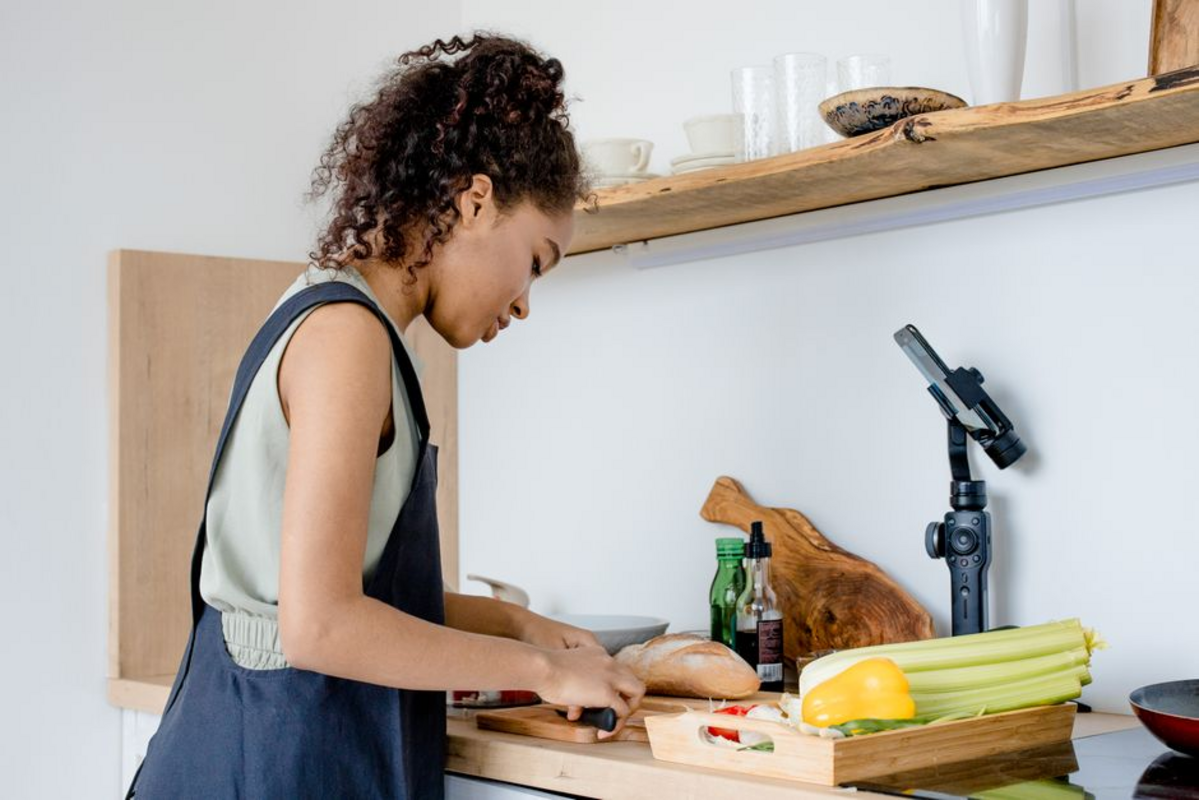
Of course, social media plays a huge role in the spread of viral recipes and extreme foods. Platforms like Instagram and YouTube have made it easier than ever to share cooking ideas and connect with others who share our passions. And let’s not forget the power of influencers and bloggers, who often help to popularize new recipes and cooking trends. As viral recipes continue to spread like wildfire online, it’s clear that social media is here to stay as a major driver of food culture.
Why Viral Recipes Matter
So, why do viral recipes matter? For one, they reflect our changing attitudes towards food and cooking. With more people than ever looking for quick, easy, and convenient meal solutions, viral recipes are filling a real need in the market. They’re also helping to democratize cooking, making it more accessible and enjoyable for people of all skill levels. And let’s not forget the sheer creativity and innovation that viral recipes often represent – they’re pushing the boundaries of what we think is possible with food, and inspiring us to try new things.
Bottom Line
In the end, viral recipes are all about simplicity, excitement, and connection. They’re a reflection of our desire for easy, convenient, and delicious meals, as well as our love of social media and shared experience. Whether you’re a seasoned chef or a beginner cook, viral recipes are definitely worth exploring – and who knows, you might just discover your new favorite dish!
Frequently Asked Questions
What is a viral recipe?
A viral recipe is a cooking idea or technique that spreads quickly online, often through social media platforms like Instagram and YouTube.
Why do viral recipes become popular?
Viral recipes become popular because they’re often easy to make, feature unique ingredients or cooking methods, and tap into our desire for social connection and shared experience.
Where can I find viral recipes?
You can find viral recipes on social media platforms, food blogs, and cooking websites – or by checking out articles and lists like the ones on njoybox.com.