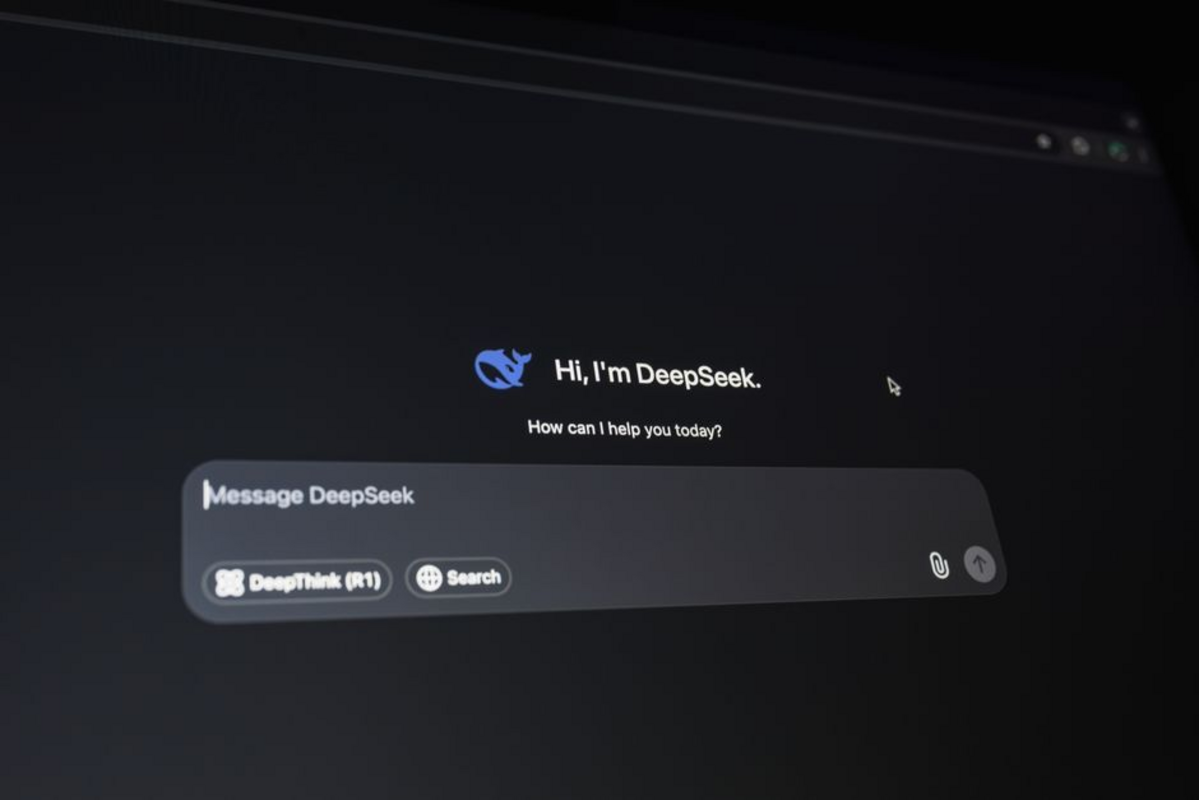
The Alarming Truth About AI Chatbots Health: Inaccurate Advice Abounds
When it comes to ai chatbots health, a recent study reveals a startling fact: nearly half of the health questions posed to these chatbots are answered incorrectly. This raises serious concerns about the reliability of the medical information provided by popular chatbots, as reported by Men’s Fitness. As Americans increasingly rely on AI bots for health information, the risks of relying on inaccurate advice become more pronounced.
How We Got Here: The Rise of AI Chatbots in Healthcare
The use of AI chatbots in healthcare has been on the rise, with many people seeking medical information and advice from these digital assistants. According to MyCentralOregon.com, Americans are turning to AI bots for health information, highlighting the need for accurate and reliable medical advice. However, the ai chatbots health landscape is marred by inaccuracies, with a substantial amount of medical information provided by popular chatbots being incomplete or incorrect, as reported by the BMJ Group.
The Consequences of Inaccurate Medical Information
The consequences of relying on inaccurate medical information from ai chatbots health can be severe. Patients may receive misguided advice, leading to delayed or inappropriate treatment, which can worsen their condition. Healthcare professionals may also be affected, as they may need to correct misinformation or deal with the aftermath of incorrect advice. Furthermore, the spread of misinformation can have far-reaching consequences, undermining trust in the healthcare system and potentially leading to serious health consequences. For instance, a study on zero sugar gut health effects highlights the importance of accurate medical information in maintaining good health.
Verifying Health Information in the Digital Age
In the digital age, verifying health information is crucial to ensuring the accuracy and reliability of medical advice. It is essential to consult reputable sources, such as peer-reviewed journals, government health websites, or established health organizations. Healthcare professionals and patients must be vigilant in evaluating the credibility of sources and be aware of the potential biases and limitations of AI chatbots. By doing so, we can promote a culture of critical thinking and skepticism, encouraging individuals to question and verify the information they receive from ai chatbots health and other digital sources.
The Future of AI in Healthcare: A Cautious Approach
While AI chatbots have the potential to revolutionize healthcare, their limitations and inaccuracies must be acknowledged. A cautious approach is necessary, recognizing both the benefits and the risks of relying on AI chatbots for health information. By promoting transparency, accountability, and ongoing evaluation, we can ensure that AI chatbots are used responsibly and effectively in the healthcare system. This may involve developing more sophisticated algorithms, improving data quality, and implementing robust testing and validation protocols to address the ai chatbots health concerns.
Frequently Asked Questions
What are the risks of relying on AI chatbots for health information?
The risks of relying on AI chatbots for health information include receiving inaccurate or incomplete advice, delayed or inappropriate treatment, and potential harm to one’s health.
How can I verify the accuracy of health information from AI chatbots?
To verify the accuracy of health information from AI chatbots, consult reputable sources, such as peer-reviewed journals, government health websites, or established health organizations, and be aware of potential biases and limitations.
Can AI chatbots replace human healthcare professionals?
No, AI chatbots should not replace human healthcare professionals. While AI chatbots can provide valuable support and guidance, human healthcare professionals are essential for providing personalized care, complex decision-making, and empathy.
Sources
- AI Chatbots Got Health Questions Wrong Nearly Half the Time, Study Shows – Men’s Fitness
- Americans are increasingly using AI bots — even for information about their own health: Polls – MyCentralOregon.com
- Substantial amount of medical information provided by popular chatbots inaccurate and incomplete – BMJ Group