Navigating the Uncertain World of Stock Market Volatility
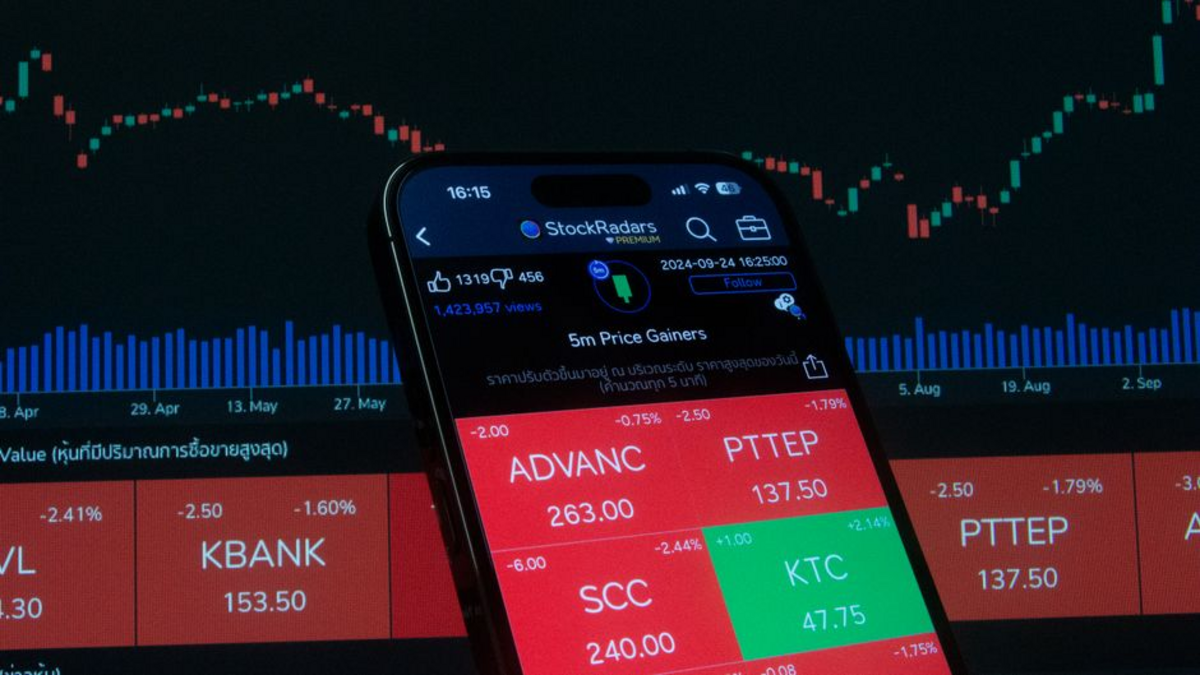
So, what’s behind the recent surge in stock market volatility? If you’ve been following the news, you’ll know that the S&P 500 Futures have been on a wild ride, with prices rising and falling in response to various economic factors. As of the last 4 hours, reports indicate S&P 500 Futures slipping due to oil and growth crosscurrents, then edging higher on strong global manufacturing data, and slipping again due to inflation and oil jitters.
What’s Behind the S&P 500 Futures Fluctuations
To understand the current state of the stock market volatility, let’s take a step back and look at the factors contributing to these fluctuations. Oil prices, for instance, are a major factor in market movements. When oil prices rise, it can lead to higher production costs, which can negatively impact the economy. On the other hand, strong global manufacturing data can boost investor confidence, leading to higher stock prices. As our previous article discussed, the stock market in 2026 is expected to be influenced by various trends, including the impact of AI on the economy.
According to Yahoo Finance, S&P 500 Futures edged higher on strong global manufacturing data. However, this trend was short-lived, as inflation and oil jitters caused the market to slip again. This stock market volatility is a clear indication that investors are uncertain about the future of the economy.
Understanding the Role of Global Manufacturing Data
So, how does global manufacturing data impact the stock market? Essentially, strong manufacturing data indicates a healthy economy, which can lead to higher stock prices. However, when manufacturing data is weak, it can signal a slowing economy, leading to lower stock prices. As we discussed in our article on the AI stock market revolution, the use of AI in manufacturing can have a significant impact on the economy, leading to increased efficiency and productivity.
In the context of stock market volatility, it’s essential to consider the impact of global manufacturing data on investor confidence. When investors are confident in the economy, they are more likely to invest in the stock market, leading to higher prices. On the other hand, when investors are uncertain, they may pull their money out of the market, leading to lower prices. This stock market volatility can have a significant impact on the economy, making it essential to stay informed about the latest trends and developments.
Navigating the Volatile US Stock Market
So, how can investors navigate the volatile US stock market? One approach is to diversify your portfolio, investing in a range of assets to minimize risk. It’s also essential to stay informed about the latest economic trends and developments, including the impact of stock market volatility on the economy. As we discussed in our article on stock market inflation fears, it’s crucial to consider the potential impact of inflation on your investments.
Another approach is to consider the role of AI in the stock market. As we discussed in our article on the AI stock market revolution, AI can have a significant impact on the economy, leading to increased efficiency and productivity. By understanding the potential impact of AI on the stock market, investors can make more informed decisions about their investments. In the context of stock market volatility, it’s essential to consider the potential impact of AI on the economy and the stock market.
Frequently Asked Questions
What is stock market volatility?
Stock market volatility refers to the fluctuations in the stock market, caused by various economic factors such as oil prices, global manufacturing data, and inflation.
How can investors navigate the volatile US stock market?
Investors can navigate the volatile US stock market by diversifying their portfolio, staying informed about the latest economic trends and developments, and considering the potential impact of AI on the stock market.
What is the impact of stock market volatility on the economy?
The impact of stock market volatility on the economy can be significant, leading to increased uncertainty and potentially negatively impacting economic growth.