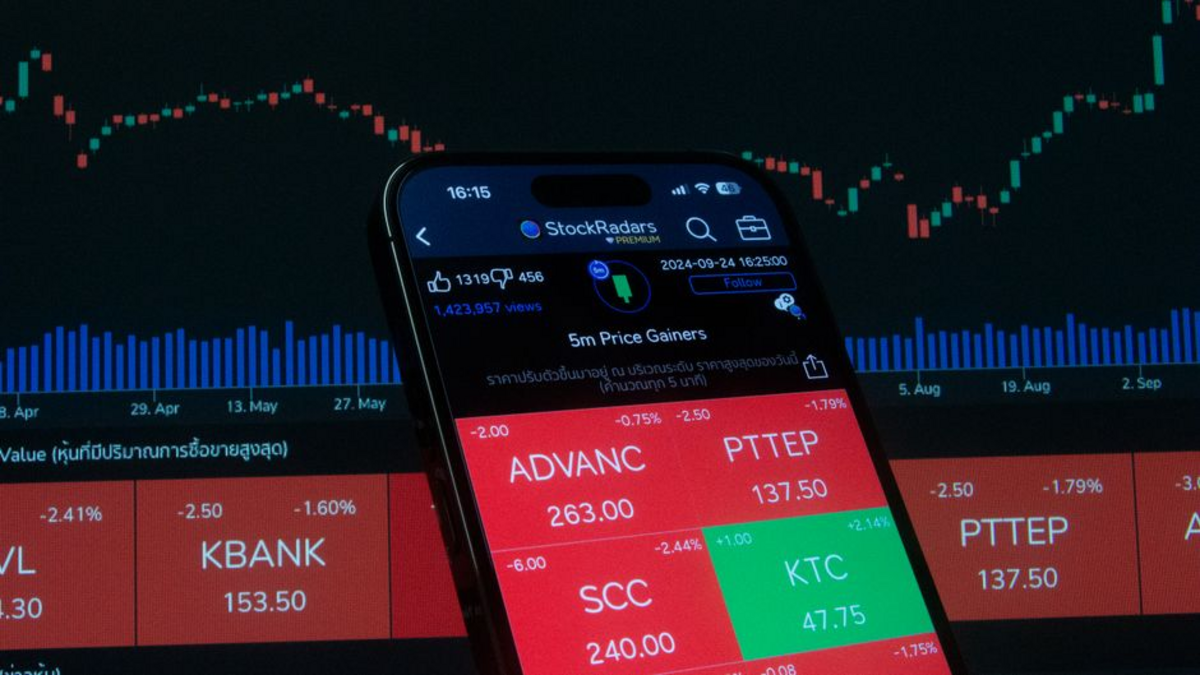
AI Stock Market Revolution: Impact on US Headline Inflation
The ai stock market is undergoing a significant transformation, and it’s essential to understand what this means for investors and the broader economy. As reported by the Financial Times, AI is revolutionizing the stock market, and this trend is expected to have a significant impact on US headline inflation.
How AI is Changing the Stock Market
So, what’s happening in the ai stock market? In simple terms, AI is being used to analyze vast amounts of data, make predictions, and optimize investment strategies. This has the potential to make the stock market more efficient and reduce the risk of human error. However, it also raises concerns about job displacement and the potential for AI to exacerbate existing market inequalities. According to the World Economic Forum, the power of AI can revolutionize financial markets, making them more accessible and efficient.
The Impact of AI on Financial Decisions
Here’s the thing: AI is not just changing the way we invest; it’s also changing the way we make financial decisions. With the ability to analyze vast amounts of data, AI can provide investors with more accurate predictions and recommendations. This can be particularly useful for individual investors who may not have the resources or expertise to make informed decisions on their own. As discussed in our previous post on Stock Market Inflation Fears, the impact of AI on financial decisions can have significant implications for the broader economy.
What Investors Need to Know About AI in the Stock Market
So, what do investors need to know about ai stock market trends? First and foremost, it’s essential to understand that AI is not a replacement for human judgment. While AI can provide valuable insights and recommendations, it’s still important for investors to do their own research and make informed decisions. Additionally, investors should be aware of the potential risks associated with AI, including the risk of bias and error. As reported by the Financial Times, US headline inflation is a key area of focus for investors, and AI can provide valuable insights into this trend.
The Future of Financial Markets with AI
Let’s break this down: the future of financial markets with AI is likely to be shaped by a combination of technological advancements and regulatory developments. As AI becomes more prevalent in the stock market, we can expect to see new products and services emerge that take advantage of its capabilities. However, we can also expect to see increased scrutiny from regulators, who will need to ensure that AI is being used in a way that is fair and transparent. For more insights on the future of financial markets, check out our post on Economic Performance and Stock Market Valuations.
Key Takeaways
Here are the key takeaways from this trend:
- AI is revolutionizing the ai stock market, making it more efficient and reducing the risk of human error.
- AI has the potential to exacerbate existing market inequalities and displace human jobs.
- Investors should be aware of the potential risks associated with AI, including bias and error.
- AI can provide valuable insights into US headline inflation and other economic trends.
- The future of financial markets with AI will be shaped by technological advancements and regulatory developments.
Frequently Asked Questions
What is the impact of AI on the stock market?
The impact of AI on the stock market is significant, with the potential to make the market more efficient and reduce the risk of human error. However, it also raises concerns about job displacement and market inequalities.
How can investors benefit from AI in the stock market?
Investors can benefit from AI in the stock market by using it to analyze data, make predictions, and optimize investment strategies. However, it’s essential for investors to do their own research and make informed decisions.
What are the potential risks associated with AI in the stock market?
The potential risks associated with AI in the stock market include bias, error, and the potential for AI to exacerbate existing market inequalities.