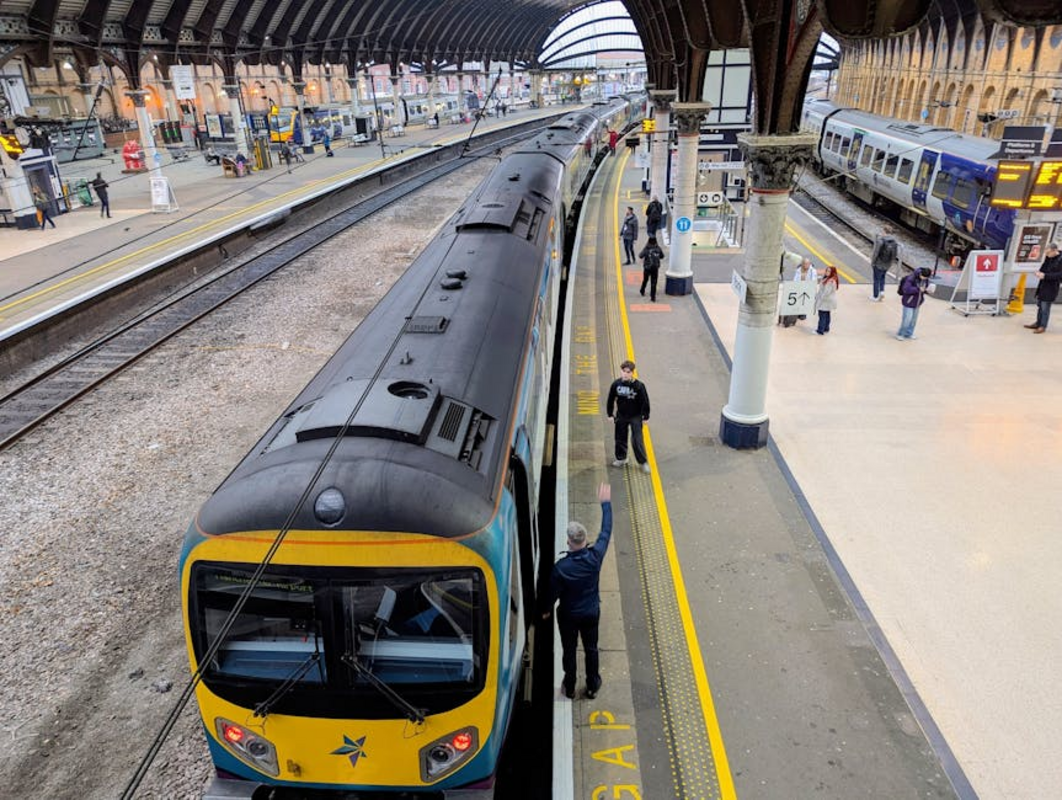
Train Station News: A Growing Concern for Tourists and Locals Alike
The recent reports of damage to the old Death Railway station in Thailand, where tourists are facing charges for their actions, have brought attention to the growing concern of train station management and preservation. According to the Bangkok Post, this incident highlights the need for responsible tourism and the importance of preserving historic sites. The No. 1 train station in the US, ranked by Travel + Leisure, has also gained global recognition, further emphasizing the significance of these structures.
The Rise of Train Stations as Tourist Destinations
Train stations have become increasingly popular tourist destinations, with many offering a unique blend of history, architecture, and entertainment. The ranking of the top train station in the US has likely contributed to this trend, as travelers seek to experience the best of what the country has to offer. However, this increased attention also raises concerns about the impact of tourism on these sites, as seen in the case of the old Death Railway station. As reported by njoybox.com, the growth of tourism can have both positive and negative effects on local communities, highlighting the need for responsible management and planning.
Preserving Historic Train Stations
Preserving historic train stations is crucial not only for their cultural significance but also for their potential economic benefits. The redevelopment of Michigan Central Station, for example, has attracted big office tenants from downtown Detroit, as reported by Crain’s Detroit Business. This highlights the potential for train stations to serve as hubs for economic growth and development, while also preserving their historic significance.
The Economic Impact of Train Station Development
The development of train stations can have a significant impact on local economies, creating jobs and stimulating growth. However, it is essential to balance economic development with preservation and responsible management. The incident at the old Death Railway station serves as a reminder of the importance of protecting these sites and ensuring that tourism is managed in a way that benefits both locals and visitors. As the train station industry continues to grow, it is crucial to prioritize preservation and responsible tourism to ensure the long-term sustainability of these historic sites.
What Nobody’s Talking About
One aspect of train station development that is often overlooked is the impact of technology on the industry. As reported by njoybox.com, advancements in technology are transforming the way we experience and interact with train stations. From digital ticketing systems to virtual tours, technology is playing an increasingly important role in shaping the future of the industry. As we move forward, it is essential to consider the potential benefits and challenges of technological advancements and how they can be leveraged to enhance the train station experience.
Frequently Asked Questions
What is the current state of train station preservation in the US?
The current state of train station preservation in the US is a mixed bag, with some stations being beautifully restored and others facing neglect and disrepair. Efforts are being made to preserve and protect these historic sites, but more work is needed to ensure their long-term sustainability.
How can tourists contribute to responsible train station management?
Tourists can contribute to responsible train station management by being mindful of their actions and respecting the sites they visit. This includes following rules and regulations, not damaging or littering, and supporting local businesses and conservation efforts.
What are the economic benefits of train station development?
The economic benefits of train station development include job creation, stimulation of local economies, and increased revenue from tourism. However, it is essential to balance economic development with preservation and responsible management to ensure the long-term sustainability of these historic sites.