Middle East Conflict Escalates: Understanding the Rising Tensions
The situation in the Middle East has taken a dramatic turn, with the US and Israel launching attacks on Iran. The conflict, which has been simmering for years, has now escalated to a point where the entire region is on high alert. As the world watches with bated breath, it’s essential to understand the context and implications of this developing crisis. Here’s the thing: the Middle East conflict is not just about the US, Israel, and Iran; it’s a complex web of geopolitics, historical grievances, and competing interests that threaten global stability.
The US and Israel’s Military Strategy
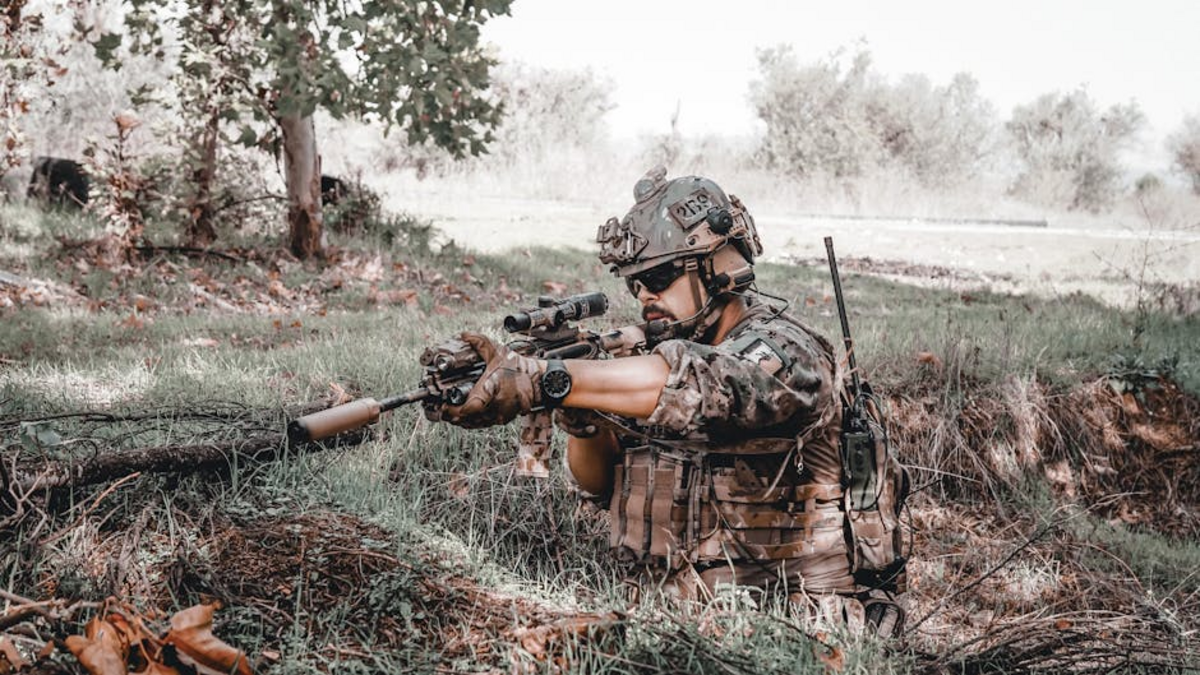
The recent attacks on Iran mark a significant escalation of the conflict. The US, under President Trump’s leadership, has taken a hardline stance against Iran, with the President ordering the US military to ‘shoot and kill’ Iranian boats mining the Strait of Hormuz. This move is seen as a provocative step, given the strategic importance of the Strait of Hormuz, a vital waterway that connects the Middle East to the global economy. Israel, too, has been involved in the attacks, with reports indicating that the country has targeted Iranian military assets in the region.
Iran’s Response to Escalation
Iran’s response to the attacks has been steadfast, with the country’s foreign minister rejecting dialogue with the US as strikes continue. This refusal to engage in talks is a significant development, as it suggests that Iran is unwilling to back down in the face of US and Israeli aggression. The Iranian government has also been silent on Trump’s statement urging Iranians to ‘take over’ their government, a move that has been seen as a blatant attempt to interfere in the country’s internal affairs.
The Human Cost of the Conflict
As the conflict escalates, the human cost is becoming increasingly clear. The region is home to some of the most vulnerable populations in the world, with millions of people already displaced or affected by conflict. The latest developments threaten to exacerbate this humanitarian crisis, with the potential for widespread destruction, displacement, and loss of life. It’s essential to remember that the conflict is not just about geopolitics; it’s about the people who are caught in the crossfire.
The Role of the International Community
The international community has a critical role to play in de-escalating the conflict. The United Nations, the European Union, and other global powers must work together to broker a peaceful resolution to the crisis. However, the lack of a unified response has been striking, with some countries, such as Russia and China, seemingly content to watch the situation unfold from the sidelines. The absence of a strong, coordinated international response has created a power vacuum, allowing the US, Israel, and Iran to pursue their own interests without restraint.
The Economic Implications of the Conflict
The conflict in the Middle East has significant economic implications, both for the region and the global economy. The Strait of Hormuz, which is a critical waterway for oil exports, is now a flashpoint in the conflict. Any disruption to oil supplies could have far-reaching consequences, including higher energy prices, inflation, and economic instability. The conflict also threatens to destabilize the global economy, with the potential for trade disruptions, investment losses, and a decline in business confidence.
Here are the key takeaways from the current situation:
- The US and Israel have launched attacks on Iran, marking a significant escalation of the conflict.
- Iran’s foreign minister has rejected dialogue with the US, suggesting that the country is unwilling to back down.
- The conflict has significant humanitarian and economic implications, with the potential for widespread destruction, displacement, and loss of life.
- The international community has a critical role to play in de-escalating the conflict, but a unified response has been lacking.
Frequently Asked Questions
What is the current situation in the Middle East?
The situation in the Middle East is highly volatile, with the US and Israel launching attacks on Iran. The conflict has escalated to a point where the entire region is on high alert, with significant humanitarian and economic implications.
What is the role of the US in the conflict?
The US, under President Trump’s leadership, has taken a hardline stance against Iran, with the President ordering the US military to ‘shoot and kill’ Iranian boats mining the Strait of Hormuz. The US has also been involved in attacks on Iranian military assets in the region.
What can be done to de-escalate the conflict?
A unified international response is critical to de-escalating the conflict. The United Nations, the European Union, and other global powers must work together to broker a peaceful resolution to the crisis. This may involve diplomatic efforts, economic incentives, and other forms of pressure to encourage the parties to negotiate a peaceful settlement.