The Pacific Rim Rattles: Understanding Today’s Dual Seismic Events
Within a four-hour window, the earth announced its volatility twice. A magnitude 7.4 earthquake tore through Indonesia claiming one life and toppling structures, while nearly 8,000 miles away, a magnitude 4.9 tremor jolted California’s Bay Area from sleep. Together, these events have created a rare convergence of breaking news cycles that demands more than casual scrolling.
The Toll in Indonesia: When Magnitude Translates to Mortality
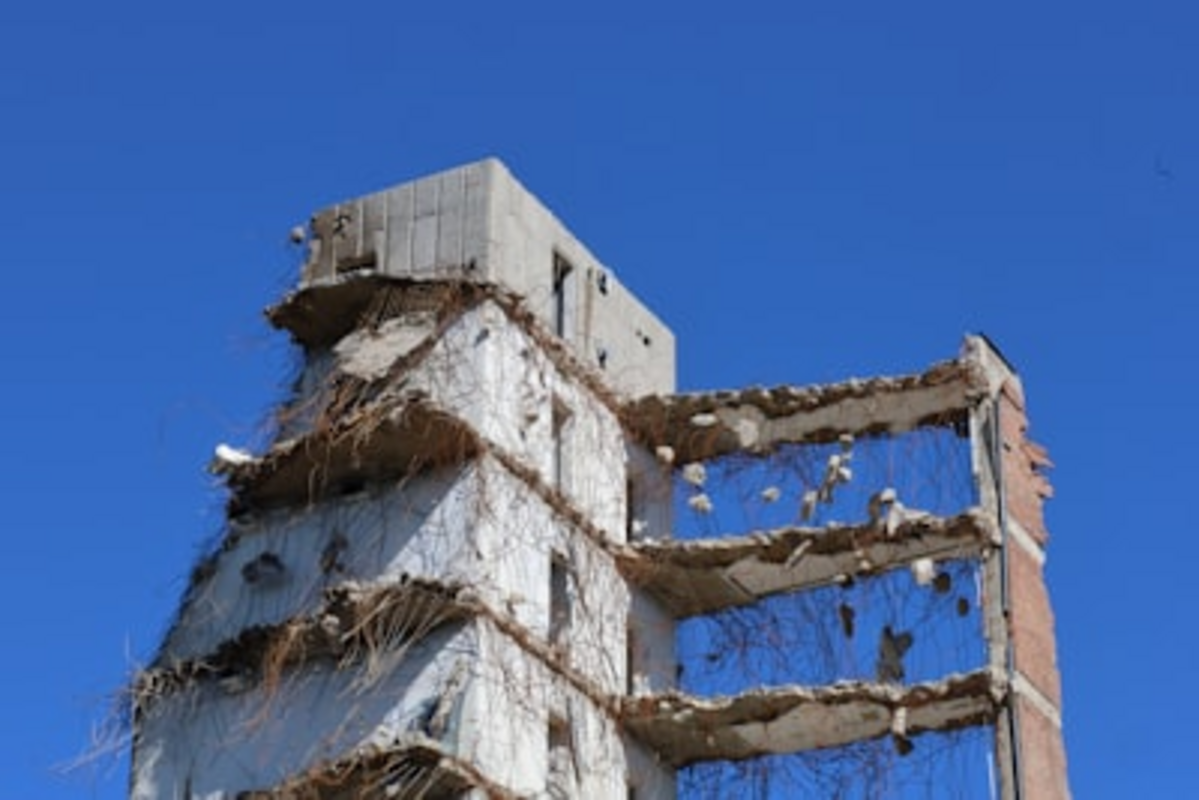
The Guardian confirmed what seismologists feared when the initial readings surfaced: Indonesia’s magnitude 7.4 event caused at least one fatality and significant structural damage. While the Pacific Tsunami Warning Center initially assessed the threat, the human cost became clear as daylight revealed collapsed buildings and disrupted infrastructure.
Indonesia sits astride the Pacific “Ring of Fire,” that horseshoe of seismic zones where approximately 90% of the world’s earthquakes occur. Yet familiarity with tectonic violence offers little comfort when the ground liquefies beneath your feet. The victim’s identity and circumstances remain part of ongoing updates, but the tragedy underscores a harsh reality about earthquake preparedness in rapidly urbanizing Southeast Asian nations.
Building codes matter. Construction materials matter. When a 7.4 magnitude event strikes a region with varied structural integrity, the differential impact—who survives and who doesn’t—often comes down to engineering standards implemented decades prior. This isn’t merely geological chance; it’s policy crystallized into concrete and rebar.
San Francisco’s 4 AM Ritual: The Psychology of a 4.9
Meanwhile, the San Francisco Chronicle and SFGATE documented a different kind of seismic event. At magnitude 4.9, the Bay Area tremor lacked the destructive capacity of its Indonesian counterpart, yet it arrived with theatrical timing—the pre-dawn hours when sleep cycles hover in REM and irrational fears feel most vivid.
Residents described the sensation across social platforms: that disorienting moment when you question whether it’s the cat, a truck, or the apocalypse. For a region still carrying collective memory of 1989’s Loma Prieta earthquake (magnitude 6.9), any significant shaking triggers ancestral trauma embedded in the civic DNA.
The difference between 4.9 and 7.4 isn’t arithmetic; it’s exponential. Each whole number increase represents approximately 32 times more energy release. Yet in the Bay Area, where building codes represent some of the world’s most stringent seismic standards, the story became one of interrupted sleep rather than interrupted lives. Zero casualties reported. Minimal structural damage. A testament to California’s aggressive retrofitting programs and the 1906 earthquake’s lasting legacy on urban planning.
The Four-Hour Window: Coincidence or Tectonic Conversation?
Seismologists will inevitably examine whether these dual events represent independent releases of accumulated stress or something more interconnected. While Indonesia and California occupy opposite sides of the Pacific Plate, they both rim the same volatile basin where tectonic violence constantly reshapes boundaries.
The temporal proximity—both events trending within the same news cycle—creates a narrative gravity that statistical probability rarely supports. Earthquakes don’t coordinate their schedules for our convenience. Yet the clustering effect, where significant seismic activity appears to cascade across the Ring of Fire within compressed timeframes, has fueled scientific debate about “triggering” mechanisms and stress transfer across vast distances.
Dr. Lucy Jones, the seismologist who revolutionized Southern California’s earthquake communication, once noted that “earthquakes cluster in space and time until they don’t.” The pattern recognition human brains crave might simply be pattern imposing—our attempt to impose narrative coherence on fundamentally random geological processes. Still, when breaking news alerts ping simultaneously from Jakarta and San Jose, even rational observers pause to wonder about the planet’s mood.
Viral Seismology: How Dual Disasters Dominate the Algorithm
Perhaps the most modern aspect of this story isn’t geological but algorithmic. The unusual convergence of two substantial earthquakes on opposite sides of the Pacific Rim has created a perfect storm for digital engagement. News aggregators elevate “earthquake” as a trending topic not because of magnitude alone, but because of simultaneity.
We’ve entered an era where disaster coverage follows network effects. A 7.4 in Indonesia might dominate international headlines for hours. A 4.9 in the Bay Area would typically localize to California newsfeeds. But their temporal overlap creates a comparative framework—a natural experiment in how different societies experience and report seismic reality.
The result is a dual-news storyline that dominates disaster coverage with unusual persistence. Indonesian updates stream alongside California emergency management protocols. Twitter threads analyze building standards while Instagram stories show cracked drywalls in Berkeley apartments. The breaking news cycle becomes a global conversation about vulnerability, resilience, and the shared experience of living on an active planet.
The Infrastructure Divide: Why One Killed and One Didn’t
Beyond the geological specifics lies an uncomfortable socioeconomic truth. Both regions exist along active fault lines. Both experience regular seismic activity. Yet the casualty disparity—one confirmed death versus zero—illuminates how wealth and governance translate directly into survival rates.
California’s stringent seismic codes, mandatory retrofitting of unreinforced masonry buildings, and early warning systems (which gave Bay Area residents seconds of notice before the shaking intensified) represent decades of policy decisions prioritizing resilience over expedience. The M4.9 became a drill that validated systems rather than destroyed them.
Indonesia faces different constraints. Rapid urbanization, economic pressures favoring quick construction over engineered safety, and the sheer frequency of seismic events create an environment where even moderate magnitude events carry disproportionate human costs. The magnitude 7.4 didn’t kill because it was uniquely powerful—it killed because physics met fragility.
This isn’t criticism of Indonesian preparedness but rather context for understanding why earthquake news from developing nations often follows predictable patterns. The tragedy isn’t just tectonic; it’s architectural, economic, and political.
Living in the Shadow: The Uncertainty That Remains
Both events share a final characteristic: they remind us of prediction’s limits. Despite advanced monitoring networks and sophisticated modeling, seismology remains fundamentally retrospective. We know where earthquakes have happened. We can calculate probabilities. But the precise timing—the 4 AM jolt, the midday collapse—remains stubbornly opaque.
For residents of both regions, today’s events serve as unwelcome calibration of risk assessment. The Bay Area sleeper who rolled over and went back to bed carries different awareness than the Jakarta resident sweeping rubble from their doorstep. Yet both join the global community of those who’ve felt the planet shift beneath them.
As aftershocks continue and damage assessments evolve, the updates will slow. News cycles will shift to the next breaking story. But the ground beneath both regions remains loaded with potential energy, storing stress for future release.
Bottom Line
We fixate on earthquakes when they happen, then forget them when they don’t. Today’s dual events offer a rare opportunity to maintain that attention long enough to ask harder questions about structural equity and preparedness funding. The Pacific Rim will continue its slow, violent dance regardless of our attention span. The question isn’t whether the next tremor will arrive—it’s whether we’ll have built something capable of surviving it. Until then, we remain temporary tenants on restless ground, grateful for the quiet hours between the shaking.