The Accessory Makers Have Spoken: iPhone 17 Pro Max Just Became Real
Yesterday, the apple iphone 17 pro max existed purely in CAD renderings and supply chain whispers. This morning, it has a photography rig.
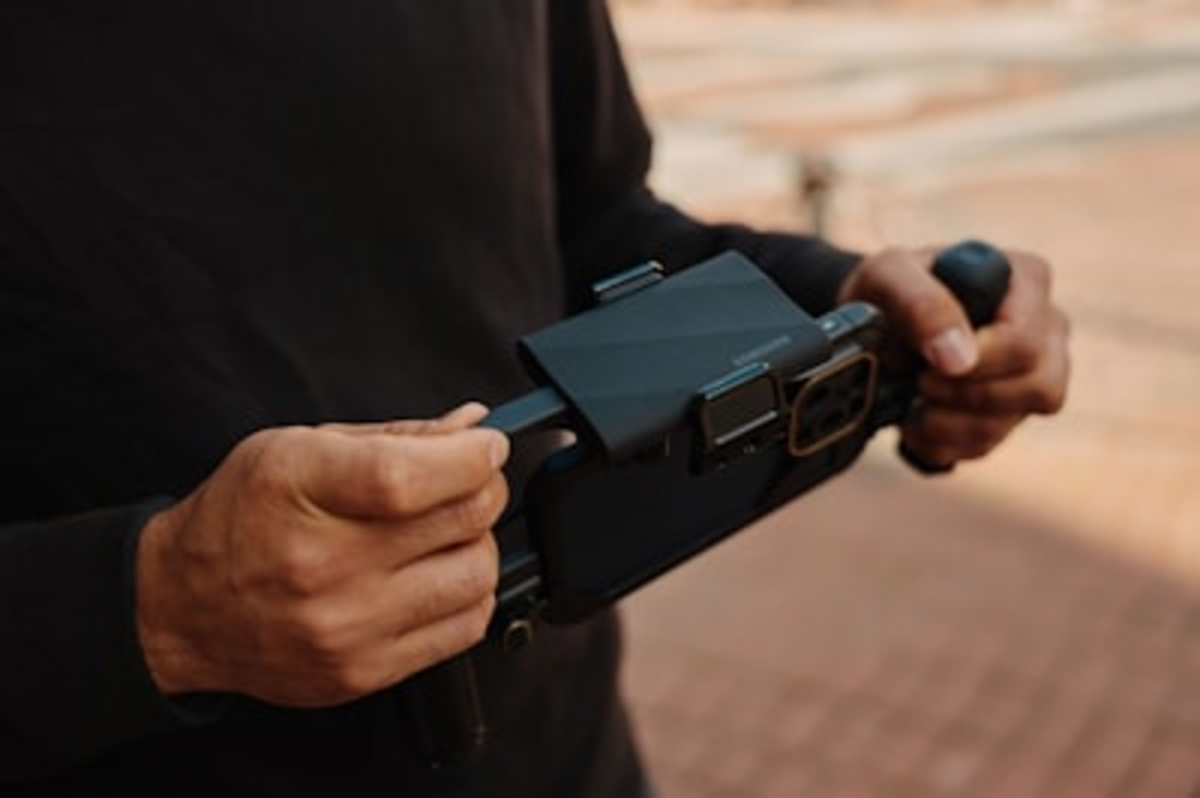
Tilta Khronos—yes, the same company that builds cages for cinema cameras—just received a full review from AppleInsider for their iPhone 17 Pro Max photography kit. This isn’t a mockup. This is machined aluminum sized specifically for dimensions pulled from leaked device schematics, complete with lens mount threads and cold shoe adapters. When third-party manufacturers start cutting metal based on your rumored measurements, the conversation shifts from “if” to “when.” Suddenly, September 2025 doesn’t feel two years away. It feels like a pending delivery notification.
This single piece of hardware triggered a cascade. Within four hours, the tech news cycle clustered around Apple’s multi-year roadmap with unusual aggression. Mashable dropped a story about the iPhone 18 Pro (yes, 2026) losing a popular color option. GSMArena published a speculative comparison pitting the iPhone 17 Pro Max against Samsung’s Galaxy S26 Ultra—a device that won’t even launch until early 2026, roughly six to seven months after Apple’s September 2025 drop. The algorithm noticed. The readers noticed. Breaking news tags started flying.
But here’s what actually matters beneath the headline churn: the accessory ecosystem is future-proofing itself at unprecedented speeds, and that’s going to change how you buy your next phone.
When CAD Renders Become Shelf Stock
AppleInsider’s coverage of the Tilta Khronos kit reveals something fascinating about modern hardware cycles. Accessory manufacturers no longer wait for Tim Cook to take a stage. They work from leaked dimensional data, gambling that Apple’s supply chain—tight as it is—still leaks like a sieve when molds get cut in Shenzhen.
The Khronos rig specifically fits the iPhone 17 Pro Max form factor rumored to feature a wider camera island and slightly adjusted button placement. Tilta isn’t hedging with adjustable clamps or universal fitments. They’ve committed to the leak.
This creates a weird psychological effect. Consumers can now purchase hardware support for a device that doesn’t exist, from a company that has never acknowledged its existence, fourteen months before potential release. It makes the updates feel tangible. You can hold the future in your hands, even if the phone itself remains locked in a Cupertino vault.
More importantly, it signals confidence. Accessory makers have access to different data sets than journalists. When they go all-in on specific dimensions, they’re often validating供应链 intelligence (supply chain intelligence) that the rest of us can’t see. The trending status of this story isn’t just about iPhone hype—it’s about the hardware supply chain betting public money on Apple’s design trajectory.
The 2026 Color Leak Nobody Asked For (But Everyone Clicked)
While Tilta was anchoring us in physical reality, Mashable pulled the timeline in the opposite direction. Their report, citing multiple leakers, claims the iPhone 18 Pro—expected in September 2026—will launch without a “currently popular color” available in existing models.
Read that again. We’re discussing the colorways of a phone that is likely still in the concept phase, eighteen months from announcement, while the iPhone 16 hasn’t even celebrated its first holiday season yet.
This is where leak journalism enters the surreal. The rumor serves no practical consumer purpose. You cannot make a purchasing decision based on a color option that won’t exist two generations from now. Yet it dominated feeds because it extends the narrative arc. It creates continuity. The internet loves a through-line, and Apple product cycles provide the closest thing tech has to serialized drama.
The specific color remains unnamed in the leaks, which is convenient for traffic but useless for planning. Still, the story achieved its goal: it kept Apple in the conversation during a week when no official announcements were scheduled.
Samsung Enters the Chat Six Months Early
GSMArena added the final ingredient to this news cluster with a comparison piece that shouldn’t technically be possible: Samsung Galaxy S26 Ultra versus iPhone 17 Pro Max.
The audacity is almost admirable. The S26 Ultra won’t arrive until early 2026—February or March by Samsung’s historical patterns. That’s half a year after the iPhone 17 Pro Max hits shelves in September 2025. Comparing them now is like comparing a 2025 Corvette to a 2026 Porsche based on wind tunnel sketches.
Yet the comparison matters because it frames the apple iphone 17 pro max not as an endpoint, but as a placeholder in an ongoing battle. The article weighs rumored specs: titanium frames, periscope lenses, AI processing capabilities that don’t yet have benchmark tests. It positions Apple’s 2025 flagship as the device that must defend market share until Samsung responds in Q1 2026.
This is the new arms race timeline. Flagships no longer compete with contemporaries; they compete with futures. And consumers are expected to track this meta-narrative like fantasy sports managers, holding out for the optimal intersection of chipset and camera sensor.
Your Wallet vs. The Release Calendar
Let’s get practical. This confluence of leaks creates genuine decision paralysis for anyone holding an iPhone 12, 13, or 14 right now. The breaking news cycle isn’t just entertainment—it actively interferes with upgrade cycles.
On One Hand: The Case for Waiting
The iPhone 17 Pro Max represents a significant architectural shift if the CAD renders hold true. New dimensions mean new accessory ecosystems. The Tilta Khronos rig suggests camera hardware substantial enough to warrant professional mounting systems, potentially closing the gap between smartphone and mirrorless photography. If you’re currently on a three-year-old device, September 2025 delivers a genuinely new form factor rather than the iterated spec bumps we’ve seen recently.
Additionally, the Samsung comparison hints at competitive pressure that might drive pricing or feature parity in unexpected directions. Waiting gives you the full 2025-2026 competitive landscape.
On the Other Hand: The Reality of Depreciation
Every month you wait on a functioning iPhone 14 Pro is a month of resale value evaporating. By the time the iPhone 17 Pro Max launches, your current device will be competing with the iPhone 16 series used market. The leap from 14 to 17 might justify the wait; the leap from a failing battery in an iPhone 11 does not.
Moreover, accessory compatibility creates a trap. That Tilta Khronos rig? It won’t fit the iPhone 16 Pro Max. If you buy into the 17 Pro Max ecosystem early via pre-ordered accessories, you’re locked into a specific dimension set that could change if Apple adjusts the final design—a not-uncommon occurrence between CAD leaks and final production.
How to Read the Room When Leaks Become Inventory
Here’s your actionable framework for navigating the next fourteen months of apple iphone 17 pro max coverage:
Treat accessory availability as soft confirmation, not gospel. When companies like Tilta manufacture physical goods based on leaks, they’re indicating high-confidence intelligence. But Apple has altered dimensions weeks before mass production before. Don’t pre-order cases fourteen months out.
Ignore color rumors for 2026. The Mashable story about iPhone 18 Pro colors serves narrative engagement, not consumer guidance. File it under “interesting but irrelevant” and focus on the 2025 hardware cycle.
Compare within release years, not across them. The GSMArena comparison between iPhone 17 Pro Max and Galaxy S26 Ultra makes for good SEO, but bad shopping advice. If you need a phone in October 2025, compare the iPhone 17 Pro Max to the Galaxy S25 Ultra (which will be Samsung’s actual competitor at that time). The S26 is a response, not a contemporary.
Watch the accessory ecosystem for feature hints. The existence of a professional photography rig for the 17 Pro Max suggests Apple is finally addressing the thermal limitations that have prevented sustained video recording. If third parties are building cinema-grade cages, expect internal cooling upgrades or larger sensors that justify the investment.
Frequently Asked Questions
Has Apple officially announced the iPhone 17 Pro Max?
No. Apple has made zero public statements about the iPhone 17 series. All current coverage—including the AppleInsider, Mashable, and GSMArena stories—derives from supply chain leaks, CAD renderings from case manufacturers, and analyst projections. The trending status of this topic reflects third-party confidence in those leaks, not official confirmation from Cupertino.
Should I skip the iPhone 16 and wait for the iPhone 17 Pro Max?
Only if your current device is functional and you’re specifically interested in the form factor changes suggested by the Tilta Khronos accessory dimensions. If you’re using an iPhone 14 or newer, the 17 Pro Max likely represents the first significant architectural change worth skipping a generation for. If your phone is failing now, waiting fourteen months for hypothetical hardware is poor economics.
Why are we already hearing about the iPhone 18 Pro?
The Mashable report about iPhone 18 Pro colors serves the content calendar, not consumer need. Tech media operates on a hype cycle that requires constant forward projection. By the time the iPhone 17 launches, outlets will already need iPhone 18 content ready. It’s pipeline maintenance disguised as updates.
The Bottom Line
The apple iphone 17 pro max just crossed from rumor to inventory. When third-party manufacturers like Tilta Khronos start shipping photography rigs sized for your pocket fourteen months early, the device becomes real in ways that press releases never achieve.
But resist the urge to live in 2026. The Samsung Galaxy S26 Ultra comparisons and iPhone 18 Pro color leaks are noise—engaging, entertaining noise—that distracts from the tangible shift happening in September 2025. That’s when Apple will either validate the accessory makers’ confidence or send them back to the drawing board with warehouses full of misfit cages.
Until then, watch the shelves. They know before we do.