The Four-Hour Window: When Tactical Vests and Championship Dreams Collided
By mid-afternoon on Wednesday, the algorithm had already made up its mind about Ann Arbor. While students at the University of Michigan navigated between classes on the Diag, and while teenagers from Father Gabriel Richard High School loaded softball gear into vans for a road game, federal agents were executing what MLive.com would later characterize as a “high risk” immigration enforcement action just miles away. Within the same four-hour stretch, Athletic Director Warde Manuel was finalizing paperwork that would keep basketball coach Dusty May in Ann Arbor “for many years to come,” and a photographer from The News Herald was documenting the Catholic High School League doubleheader between Allen Park Cabrini and Ann Arbor Father Gabriel Richard.
These are the days that define a city’s news cycle.
Not because any single event dominated—the ICE arrest involved one individual, and the softball game was a routine seasonal matchup—but because of the jarring simultaneity. Ann Arbor breaking news rarely follows a script this bipolar, this reflective of the fault lines running through American college towns in 2024. You could refresh your timeline and swing from immigration enforcement controversy to seven-figure coaching contracts to box scores within three scrolls. This is the nature of trending updates in a digitally fragmented information ecosystem, where the weight of federal policy and the triviality of sports transactions carry equal pixel real estate.
“High Risk” in the Shadow of the University
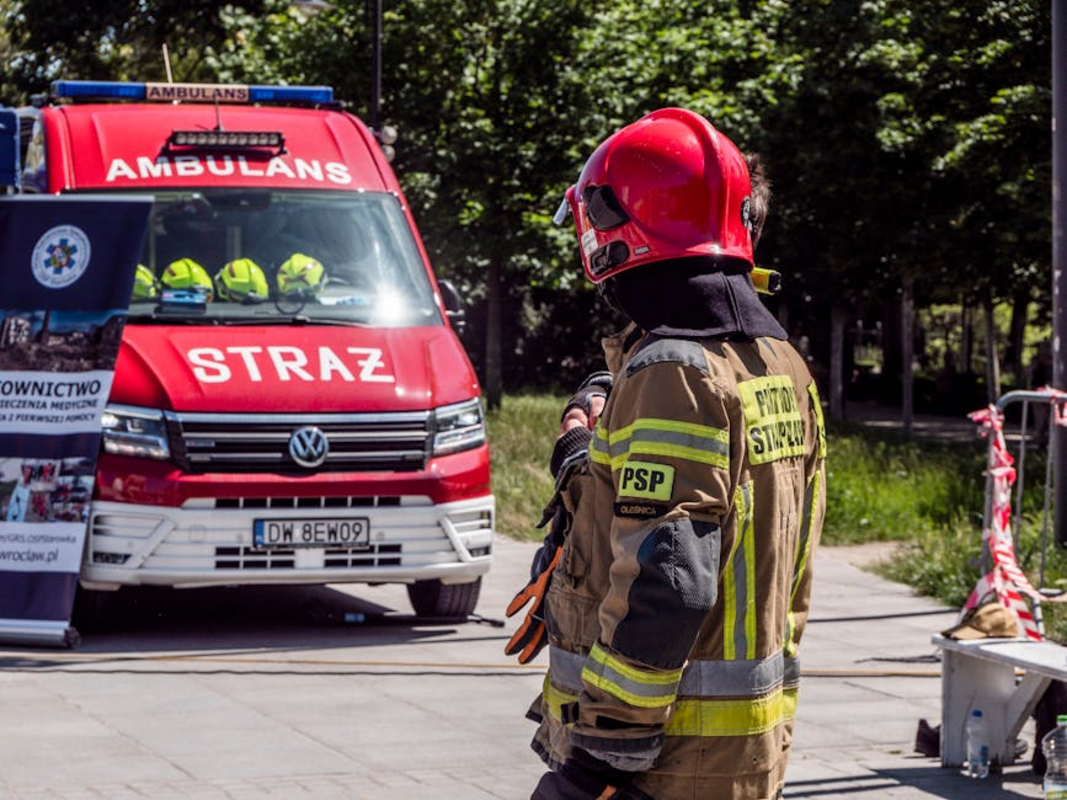
The specifics of the Immigration and Customs Enforcement operation remain sparse in the immediate aftermath, which is often how these engagements initially surface—through criticism rather than press releases. According to MLive.com’s reporting, the arrest stop in Ann Arbor drew immediate condemnation from local observers who characterized the tactics as “high risk,” a loaded term in the lexicon of immigration enforcement that suggests visible weapons, tactical positioning, or the potential for confrontation in populated areas.
For a municipality that has historically maintained complicated relationships with federal immigration authorities, the presence of ICE agents conducting what appears to be a targeted enforcement action represents more than a procedural event. It marks a reassertion of federal priority in a community where the University of Michigan’s international student population and Washtenaw County’s sanctuary-adjacent policies have long created friction with Washington’s enforcement agenda.
The timing matters here. This isn’t just about one arrest. When immigration enforcement happens within sight of a major research university—in a city where roughly 30% of residents hold advanced degrees and where the cultural infrastructure leans heavily toward progressive urban policies—it functions as a statement. The “high risk” designation, whether accurate or rhetorical, signals to the community that the rules of engagement have shifted, that the visibility of enforcement actions has increased, and that the buffer between federal priorities and daily campus life has narrowed.
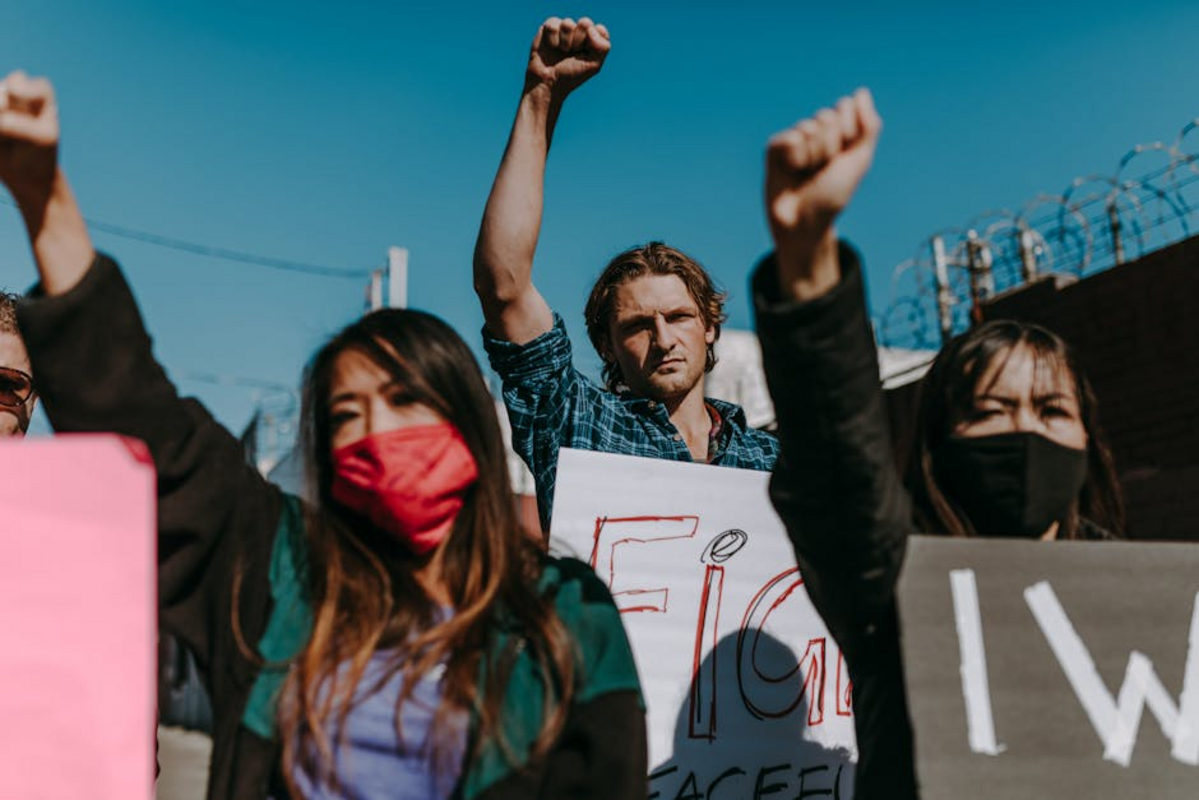
Local response will likely coalesce over the next 48 hours. Expect town halls. Expect statements from university leadership walking the tightrope between federal compliance and student body reassurance. Expect the “trending” nature of this story to sustain itself not because of the single individual detained, but because of the photographable theater of enforcement in a city unaccustomed to being the backdrop for such operations.
The Counter-Narrative: Dusty May Decides to Stay
While the ICE operation was unfolding, another type of infrastructure negotiation was reaching its conclusion across town. Dusty May, the University of Michigan’s head men’s basketball coach, agreed to a contract extension that The Athletic and The New York Times reported would keep him in Ann Arbor “for many years to come.” The phrasing is telling—deliberately indefinite, deliberately grandiose, the kind of rhetorical architecture designed to silence the rumor mill before it even begins to turn.
May represents the aggressive new paradigm in college athletics hiring: the poach from mid-major success (Florida Atlantic’s Final Four run) followed by immediate institutional investment. That he would receive an extension so soon after his arrival suggests either extraordinary confidence in his recruiting capabilities or institutional paranoia about losing him to the next high-major opening. Likely both.
The financial specifics will emerge eventually—they always do—but the optics are what matter in the immediate ann arbor updates cycle. While one segment of the community grappled with questions of belonging and border security, the athletic department was securing long-term stability for a basketball program desperate to reclaim its place in the Big Ten hierarchy. The cognitive dissonance is the point. This is how university towns function: as layered economies where the global and the parochial, the political and the recreational, occupy overlapping but distinct spheres.
The extension also serves as a recruiting weapon. In the current NIL era, where roster construction depends as much on collective funding as coaching acumen, stability at the head coaching position provides the kind of certainty that transfers and high school prospects require. May isn’t just staying; he’s signaling that the infrastructure around him—facilities, salary pools, administrative support—has been locked in for the duration.
The Softball Game That Played Through
Lost in the algorithmic churn, but documented nonetheless, Allen Park Cabrini hosted Ann Arbor Father Gabriel Richard in a Catholic High School League softball doubleheader. The News Herald published photographic coverage of the matchup—a visual record of normalcy against the backdrop of the day’s heavier headlines.
There’s something almost defiant about the persistence of high school sports schedules on days when breaking news threatens to swallow all available attention. The CHSL continues its seasons regardless of federal operations or contract negotiations. The doubleheader represents the third leg of Ann Arbor’s afternoon trifecta: enforcement, entertainment, and education.
These games matter to the families involved, to the seniors playing their final season, to the small but dedicated following that tracks Catholic League standings. They remind us that “trending” is a metric of attention, not importance. While the ICE arrest and May’s extension will dominate search traffic analytics for the next 72 hours, the softball game will remain in the lived experience of the participants long after the news cycle moves on to the next controversy.
The Algorithm Doesn’t Care About Your Wednesday Plans
So why did Ann Arbor become a nexus of attention within this specific four-hour window? The research data suggests a “perfect storm” of engagement drivers, and the pattern reveals uncomfortable truths about digital media consumption.
Immigration enforcement stories generate heat because they activate polarized tribes. The “high risk” framing, whether sourced from official channels or community observers, provides the kind of conflict-centric language that platform algorithms favor. Meanwhile, University of Michigan basketball content activates one of the largest, most geographically dispersed alumni networks in collegiate athletics. When these two vectors cross—controversial political news and significant sports developments—they create a Venn diagram of concern that captures both activists and alumni, journalists and junkies.
What observers miss, however, is the manufacturing distance between these events. The ICE operation and the Dusty May extension share physical proximity—same city, same afternoon—but they don’t share causality. The temptation to weave them into a cohesive narrative about Ann Arbor’s identity should be resisted. They are not symptoms of a single condition; they are parallel universes that happen to share a zip code.
The trending status reflects our aggregation habits, not the city’s actual coherence. Ann Arbor is large enough to contain immigration enforcement actions and coaching extensions and high school softball without these elements constituting a “story” in the traditional sense. They are updates, discrete data points, that only achieve narrative cohesion when forced into the constraint of a news digest.
What Follows the Silence
The traffic will spike, then fade. The “breaking news” designation will expire. What remains is the administrative and communal work of processing these developments.
For the individual detained in the ICE operation, the next phase involves legal representation and potential deportation proceedings or release. For the community, the next phase involves surveillance of enforcement patterns—whether this arrest represents renewed federal interest in Washtenaw County or an isolated incident. Watch for organizing efforts, for Know Your Rights workshops accelerated to meet the moment, for university legal services expanding their immigration counseling hours.
For Dusty May, the extension begins the real work of roster construction. The press release celebrations conclude; the recruiting battles intensify. Michigan basketball enters a new phase where expectations match the investment, where “many years to come” translates into Big Ten championship expectations and deep tournament runs. The contract provides security; it also provides a target.
And somewhere, next week, Allen Park Cabrini and another CHSL opponent will play again, generating no headlines but continuing the seasonal rhythm that outlasts every algorithm.
The lesson of Ann Arbor’s afternoon of converging headlines is not that the city has changed, but that our mechanisms for seeing it have become more fractured, more prone to collision. We scroll through updates that place immigration raids adjacent to three-point percentages, and we mistake the proximity for connection. They are simply happening at the same time, in the same place, to different people with different stakes. The city endures. The news moves on. The softball season continues.