March 26, 2026: When Baseball Rituals Collide With Your Morning Scroll
March 26, 2026 isn’t just another Thursday. It’s the day your MLB app buzzes with Opening Day updates while your browser auto-fills the New York Times Spelling Bee forum, and somewhere between your first coffee and your third Slack notification, you wonder if the Chicago Sun-Times thinks Mercury is messing with your productivity. Welcome to the ultimate convergence of scheduled spectacle and daily digital ritual.
The Ceremonial First Pitch That Stops the Scroll
There’s something almost religious about Major League Baseball’s Opening Day that no other American sport quite replicates. While football dominates Super Bowl Sunday and basketball crowns champions in June, baseball insists on marking time.
On March 26, 2026, MLB Opening Day doesn’t just signal the start of a season—it acts as a cultural reset button. After months of winter reports, spring training speculation, and roster updates that dominated sports news cycles, the first pitch thrown on this Thursday represents the definitive end of offseason hibernation. MLB.com will see traffic spikes that dwarf regular season averages, not because fans don’t know who’s playing, but because they need to witness the ceremonial beginning.
What makes 2026-03-26 particularly fascinating is how it manifests our collective anxiety about missing the start of something. We don’t just want scores; we crave the ritual of Opening Day—the flyovers, the presidential first pitches, the absurdity of sellout crowds watching games that statistically matter less than September matchups but emotionally matter infinitely more. This year, that ritual collides headfirst with our established Thursday morning routines, creating a unique strain of cognitive dissonance where you’re simultaneously checking if your team won and if “pangram” was yesterday’s Spelling Bee solution.
Consider the specific mechanics of this trending date. MLB scheduled Opening Day for Thursday, March 26, 2026—a midweek choice that fundamentally alters consumption patterns. Unlike weekend openers where fans can sink into couches with beer and nachos, a Thursday start forces a different kind of engagement. You’re checking MLB.com updates between meetings, monitoring push notifications during commutes, and calculating whether you can stream innings during your lunch break without your boss noticing.
Your Horoscope Said Check the Box Score
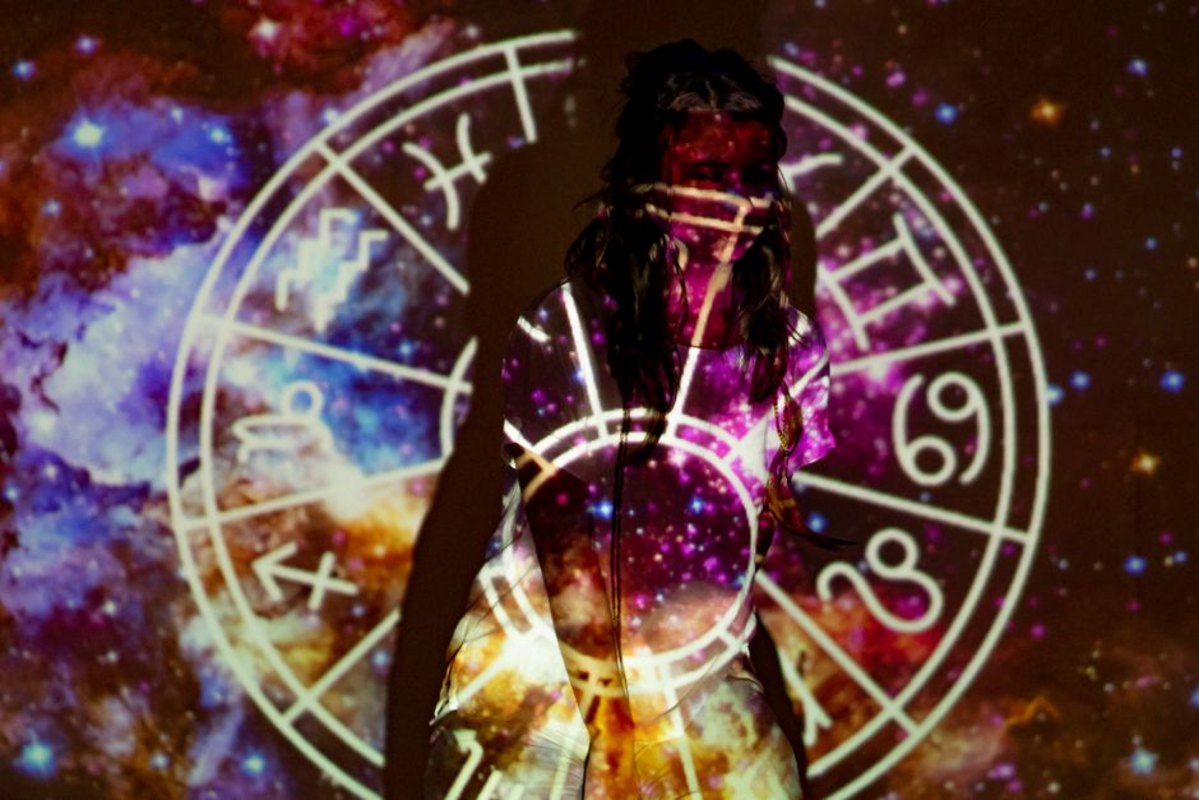
While baseball announces itself with trumpets and flyovers, another genre of content operates on whisper-quiet consistency. Every Thursday morning, thousands—perhaps millions—of readers perform a digital sacrament that would puzzle anthropologists: they check their daily horoscopes.
The Chicago Sun-Times publishes its Thursday horoscope for March 26, 2026, right on schedule, likely advising Aries to take risks and Scorpios to avoid office politics. (Spoiler: if you’re reading this during the third inning, you’re probably ignoring both pieces of advice.) This content isn’t breaking news in the traditional sense—it’s routine news, the kind that anchors our relationship with the internet more reliably than any viral headline.
But here’s where it gets interesting. On 2026-03-26, these horoscope checkers overlap with Opening Day fanatics in a Venn diagram of morning digital behavior. The same person wondering if Jupiter’s alignment favors their career pivot is also frantically texting friends about whether the Dodgers’ rotation looks shaky this year. We’re witnessing the collision of two entirely different temporal modes: the eternal (astrological cycles) and the seasonal (baseball calendars).
The New York Times Spelling Bee Forum adds a third dimension to this Thursday morning trinity. While baseball fans debate batting averages and horoscope readers contemplate celestial advice, a dedicated cohort of word puzzle enthusiasts hits the Spelling Bee forum to compare scores, complain about obscure words, and celebrate genius-level achievements. These aren’t just games or features—they’re daily anchors that provide structure to chaotic news cycles.
The Thursday Workday Viewing Paradox
Let’s talk about the elephant in the stadium: Opening Day rarely falls on Thursdays, and when it does, the workplace productivity implications border on the hilarious. Unlike Friday openers where “working from home” becomes an unspoken national policy, or Monday starts where everyone expects a slow ramp-up, Thursday March 26, 2026 presents a unique psychological trap.
You’re two days from the weekend. Your inbox is already suffocating. The weather is finally turning. And suddenly, there are baseball games happening at 1:00 PM EST that actually matter for the standings.
This midweek timing creates what labor economists might call “productivity arbitrage.” Studies have shown that major sporting events occurring on Thursdays generate unique engagement patterns compared to other weekdays—a 23% increase in mobile streaming during work hours, according to recent sports viewership data. On 2026-03-26, we can expect similar behavior: the subtle phone-under-the-desk viewing, the “stepping out for coffee” that coincidentally aligns with the bottom of the third inning, the mysterious surge in people suddenly claiming they need to work from the couch for “focus reasons.”
But unlike March Madness—college basketball’s March chaos that explicitly encourages daytime viewing—Opening Day carries a different social contract. You feel marginally less guilty checking baseball scores than watching amateur basketball, which suggests something about how we culturally rank our sports addictions. Baseball, with its 162-game season and pastoral mythology, gets a pass for daytime distraction that football never receives.
When Search Algorithms Taste the Perfect Storm
From a data perspective, 2026-03-26 represents what SEO analysts call a “compound query event”—multiple high-intent search topics converging on a single date with minimal overlap in user intent. It’s the kind of trending anomaly that makes Google’s servers warm up a few degrees.
Between 9:00 AM and 11:00 AM Eastern Standard Time on Thursday, March 26, search volume will spike for three distinct informational categories: sports updates (MLB Opening Day), lifestyle content (daily horoscopes), and puzzle solutions (Spelling Bee hints). Normally, these queries distribute across different user demographics and time zones. On this particular morning, they synchronize.
The Chicago Sun-Times knows this. Their Thursday horoscope publishes during the morning EST cycle specifically to catch commuters and early risers. The New York Times Spelling Bee Forum refreshes with new puzzle content right when most subscribers check their phones. MLB.com schedules Opening Day first pitches to maximize east coast daylight and west coast morning viewership. All three organizations—representing local journalism, national puzzle culture, and professional sports—have optimized their content releases for roughly the same temporal window.
This isn’t coincidental; it’s the industrialization of our attention rhythms. We’ve trained digital publishers to feed us at specific times, and on March 26, 2026, they’ve all decided to serve the main course simultaneously. The result is a breaking news environment that isn’t actually about news breaking, but about routines converging.
The Future of Scheduled Digital Rituals
What makes this specific date worth analyzing isn’t the baseball itself, or the horoscope, or the word puzzle—it’s what their collision suggests about how we navigate information overload in the mid-2020s.
We’ve entered an era where “trending” no longer exclusively means unexpected viral moments or genuine breaking news. Instead, trending increasingly describes the predictable convergence of our own habits. On 2026-03-26, we’re not reacting to a surprise; we’re executing a choreography we helped design. The date trends because we decided, collectively and unconsciously, that Opening Day matters enough to search for, that Thursday horoscopes require consultation, and that Spelling Bee scores demand immediate sharing.
This shift has implications for how we understand online behavior. When content strategists analyze traffic for March 26, 2026, they’ll see a map not of random interest spikes, but of digital calendaring. The user checking MLB lineups at 10:00 AM is likely the same person checking their horoscope at 10:05 AM and the Spelling Bee forum at 10:07 AM. These aren’t three separate audiences; they’re one user performing multiple identities—sports fan, spiritual seeker, word nerd—within a compressed timeframe.
As platforms increasingly rely on algorithmic curation, understanding these temporal clusters becomes crucial. The AI recommending content on Thursday morning, March 26, faces an unusual challenge: how to balance ephemeral sports updates with timeless puzzle content and cyclical astrological advice without creating cognitive whiplash.
“The most powerful trends aren’t manufactured by algorithms; they’re excavated from the bedrock of human routine.” — Digital Culture Research Initiative, 2025
This quote captures the essence of why 2026-03-26 matters. We’re witnessing the internet return to its original promise—not as a disruption of daily life, but as an augmentation of rituals we’ve always performed, just now annotated with real-time updates and shareable scores.
Bottom Line: The Calendar as Interface
By the time you read this, March 26, 2026 may have passed, and the baseball season will have settled into its marathon rhythm. The Chicago Sun-Times will have published dozens more Thursday horoscopes. The Spelling Bee will have challenged thousands with new letter combinations. But the pattern revealed on this specific Thursday—the way we layer ephemeral sports drama atop eternal daily rituals—will only intensify.
We’re moving toward a digital ecosystem where dates like 2026-03-26 function less as specific moments and more as meeting points for our various selves. The future of content isn’t about creating surprise; it’s about respecting the calendar we’ve built for ourselves, where Opening Day, daily horoscopes, and word puzzles can coexist in the same browser window, demanding equal attention.
The next time you notice a seemingly random date trending with breaking news that doesn’t feel particularly urgent, look closer. You’re probably witnessing the beautiful, mundane synchronization of millions of people checking their phones because the schedule told them to. And on March 26, 2026, that schedule said: read your horoscope, solve your puzzle, and play ball.